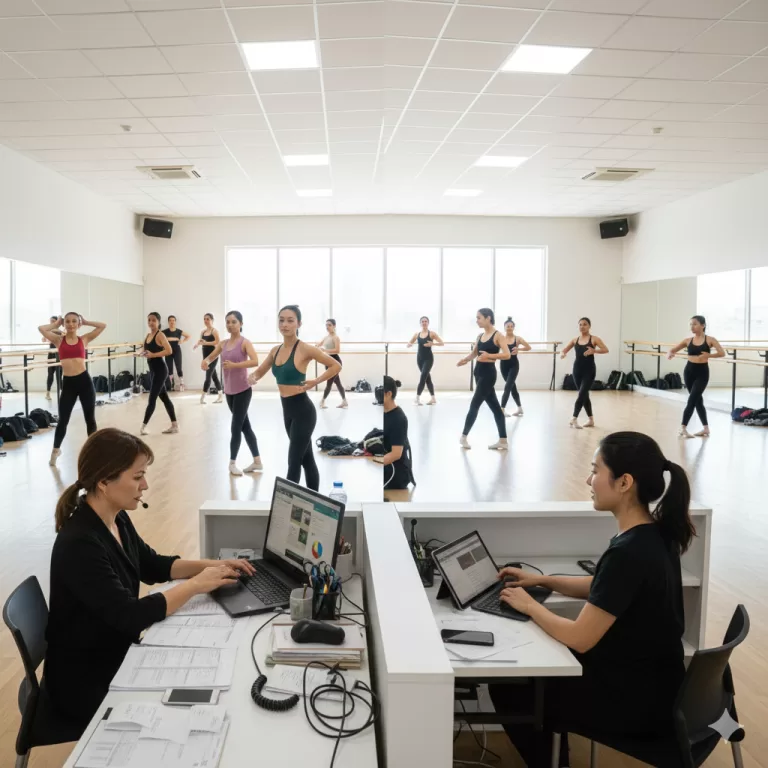
DSM vs Class Manager: Which Dance Studio Software Is Better for Growing Dance Studios?
Choosing the right dance studio management software can make or break your daily operations. While Class Manager has been around for years and works well for small, traditional studios, many studio owners outgrow it quickly. This is where Dance Studio Manager (DSM) stands out.
In this comparison, we’ll break down DSM vs Class Manager, explain where DSM clearly performs better, and help you decide which platform truly supports long-term studio growth.
Class Manager is known for being simple and familiar, especially for studios that have used it for a long time. However, its older system and limited automation often require more manual work.
Dance Studio Manager (DSM) is built with modern studios in mind. It focuses on automation, flexibility, and a smoother experience for studio owners, staff, parents, and students.
Bottom line: Class Manager is fine for small studios, but DSM is built for growth.
Feature Checklist: Feature Availability Comparison
This checklist compares how key features are supported in Dance Studio Manager (DSM) and Class Manager, helping studio owners quickly see differences in functionality and system coverage.
|
Feature |
 |
 |
|---|---|---|
|
Student & class records |
||
|
Basic class scheduling |
||
|
Tuition tracking |
||
|
Modern, intuitive dashboard |
||
|
Fully cloud-based access (any device) |
||
|
Automated tuition billing |
||
|
Automatic payment reminders |
||
|
Built-in online payments |
||
|
Dedicated parent & student portal |
||
|
Real-time account balances for parents |
||
|
Flexible class & schedule management |
||
|
Easy enrollment & re-enrollment tools |
||
|
Detailed financial & attendance reports |
||
|
Customizable reporting |
||
|
Reduced manual data entry |
||
|
Scales easily as the studio grows |
||
|
Regular feature updates & improvements |
Key Differences in Daily Use and Long-Term Fit
1. User Interface and Ease of Navigation
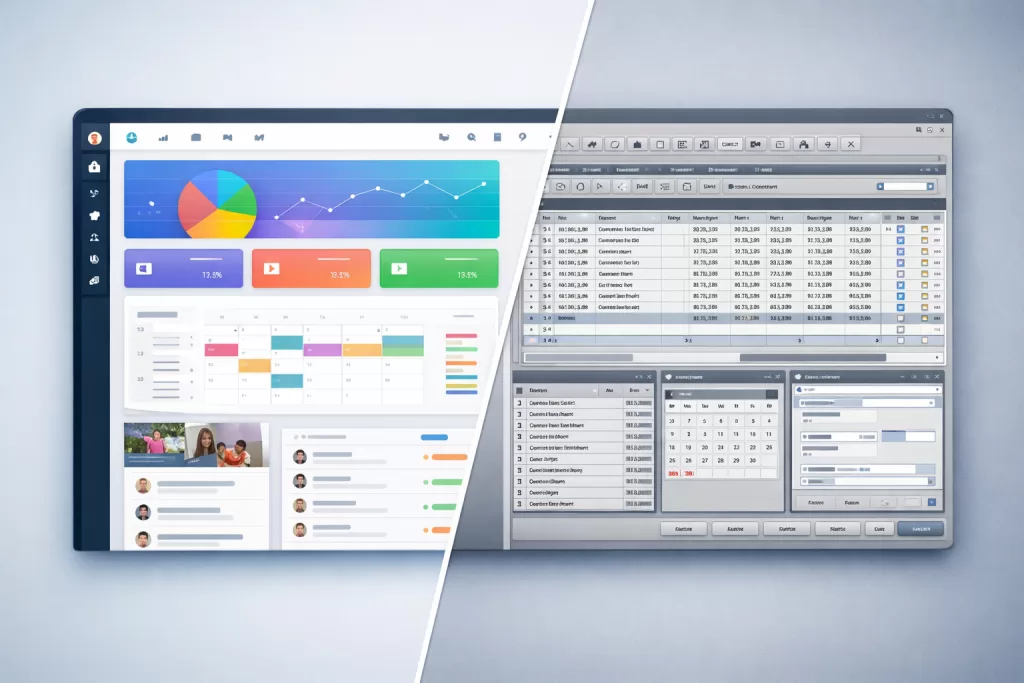
Dance Studio Manager offers a clean, modern dashboard that is generally easier for new staff and parents to navigate. Class Manager uses a more traditional interface, which may feel familiar to long-time users but can require more time to learn for new users.
2. Automation and Workflow Support
DSM includes more built-in automation for tasks such as:
Tuition billing
Payment reminders
Enrollment confirmations
Schedule updates
Class Manager supports these processes but often involves additional manual steps, which can increase admin time as the studio grows.
3. Payments and Parent Access
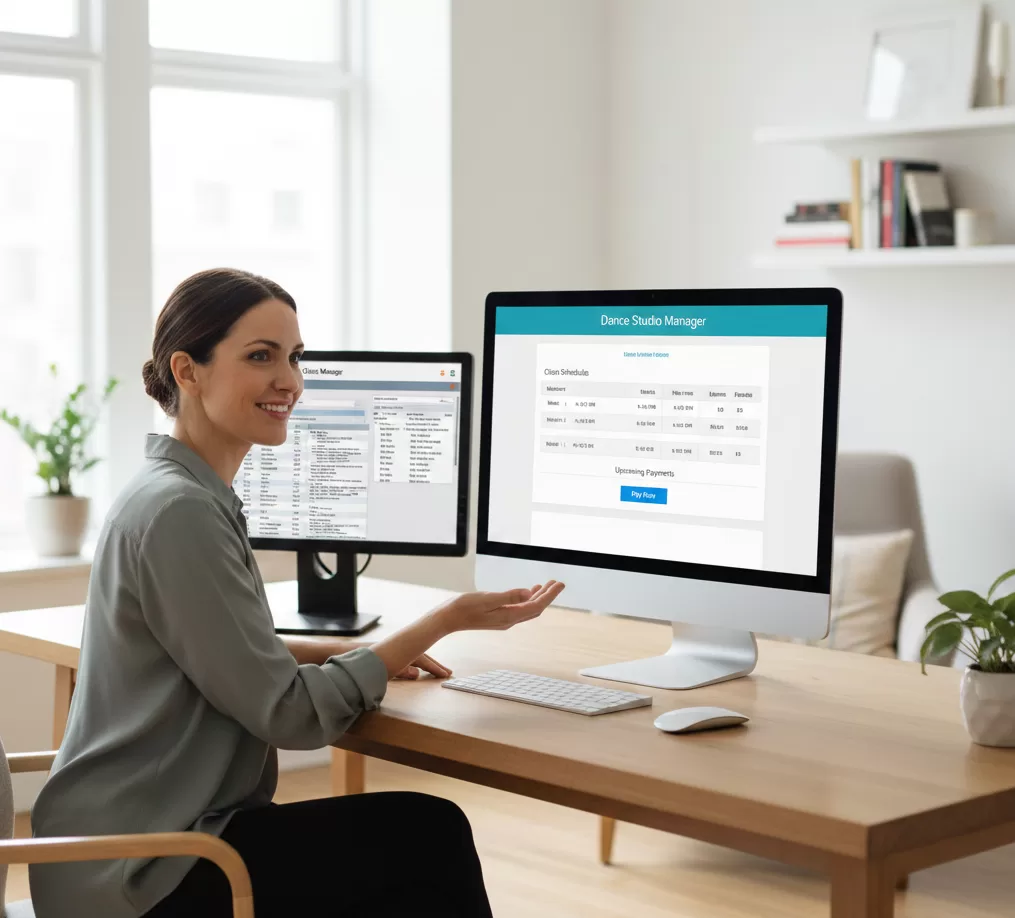
DSM provides parents with easier access to schedules, balances, and online payments through a dedicated portal. This can reduce the number of follow-ups and manual communication.
Class Manager offers payment tracking and parent access as well, though its tools are more limited and may require more staff involvement.
4. Reporting and Business Insights
DSM includes more detailed and customizable reports that help studio owners monitor revenue, attendance, enrollment trends, and outstanding balances.
Class Manager reporting focuses on core information, which may be sufficient for smaller studios but less flexible for data-driven decision-making.
5. Suitability for Studio Growth
DSM is designed to accommodate studios as they expand, including higher student volumes, additional class types, and larger teams.
Class Manager tends to work best for smaller or more traditional studio setups and may feel restrictive as operational needs increase.