The Most Dangerous Dance Move: Inside the Rise, Risk, and Cultural Legacy of the “Death Drop”
Dance is one of the most expressive human activities. It allows people to tell stories, convey emotions, and captivate audiences. But it is not always safe. Many movements carry hidden risks. Behind graceful performances are bruises, sprains, and long hours of practice.
Among all dance moves, one stands out for both its drama and its danger. It is called the “Death Drop.”
The move looks simple. The dancer falls backward, lands in a dramatic position, and the audience gasps. It has become famous worldwide. But its beauty hides the risks that dancers face every time they perform it.
This article explores the Death Drop’s history, its mechanics, its risks, and its cultural significance. We will also examine why dancers continue to perform it despite the dangers.
What Is the Death Drop?
The Death Drop goes by many names. In ballroom culture, it was originally called “the dip.” Drag performers sometimes call it the “shablam.” In mainstream media, it is now known as the Death Drop.
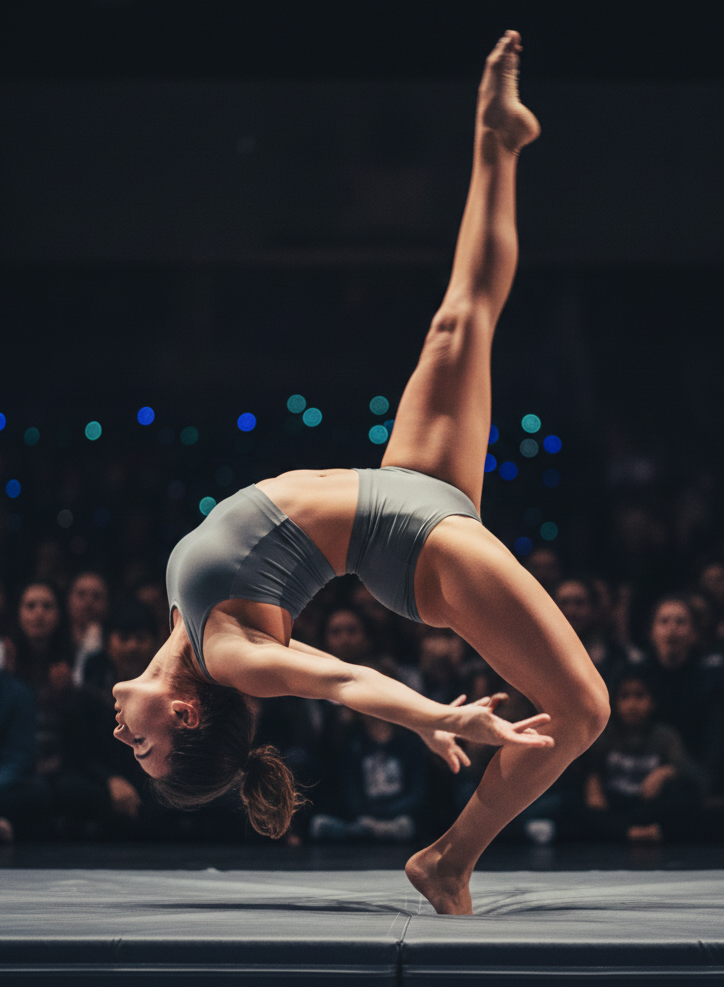
It appears simple. One moment the dancer is standing. The next, they fall backward, one leg extended, one bent, landing gracefully on the floor.
But the move requires control. It involves:
A precise backward fall
A controlled angle of descent
Core and glute engagement
Hip flexibility
Protecting the head and neck
Even small mistakes can cause injury. That is why the move is considered one of the most dangerous widely attempted dance movements today.
Why is it so Dangerous?
There are three main reasons the Death Drop is risky.
1. Full-Body Impact
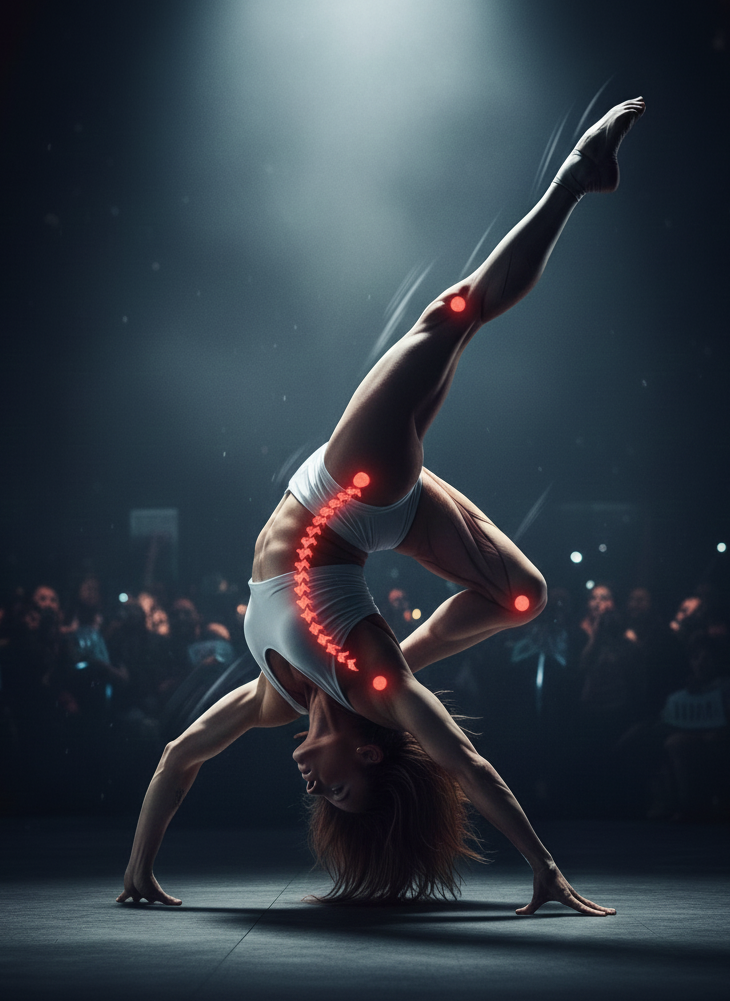
The dancer falls from their full standing height. Unlike jumps where the feet absorb the landing, the Death Drop distributes force along the side of the thigh and hip. Improper landings can injure:
Spine
Tailbone
Knees
Hips
Ankles
Shoulder blades
Even lightweight dancers can be hurt if the move is done incorrectly.
2. Timing Is Critical
The Death Drop requires split-second timing. The supporting leg must bend at the right moment. The extended leg must clear the body.
Miss a step and injuries may include:
Knee twists
Hip dislocation
Tailbone impact
Head injury
Professionals spend years training to execute the movement safely.
3. No Beginner Version
Many dance moves have gradual progressions. The Death Drop does not. Beginners cannot attempt a slow version that replicates the final motion. They can practice backward rolls, but the explosive timing is different.
Without proper training, the move becomes extremely risky.
The History of the Death Drop
The Death Drop did not appear overnight. It started in ballroom communities in New York City, where Black and Latino LGBTQ+ dancers created expressive, competitive spaces.
In ballroom, the move was called “the dip.” It was used to punctuate a performance, adding drama and emphasis. Dancers practiced it within their houses, with mentorship, and with careful attention to safety.
Over time, jazz dancers and theatrical performers adopted variations. The move appeared in stage shows, music videos, and commercials.
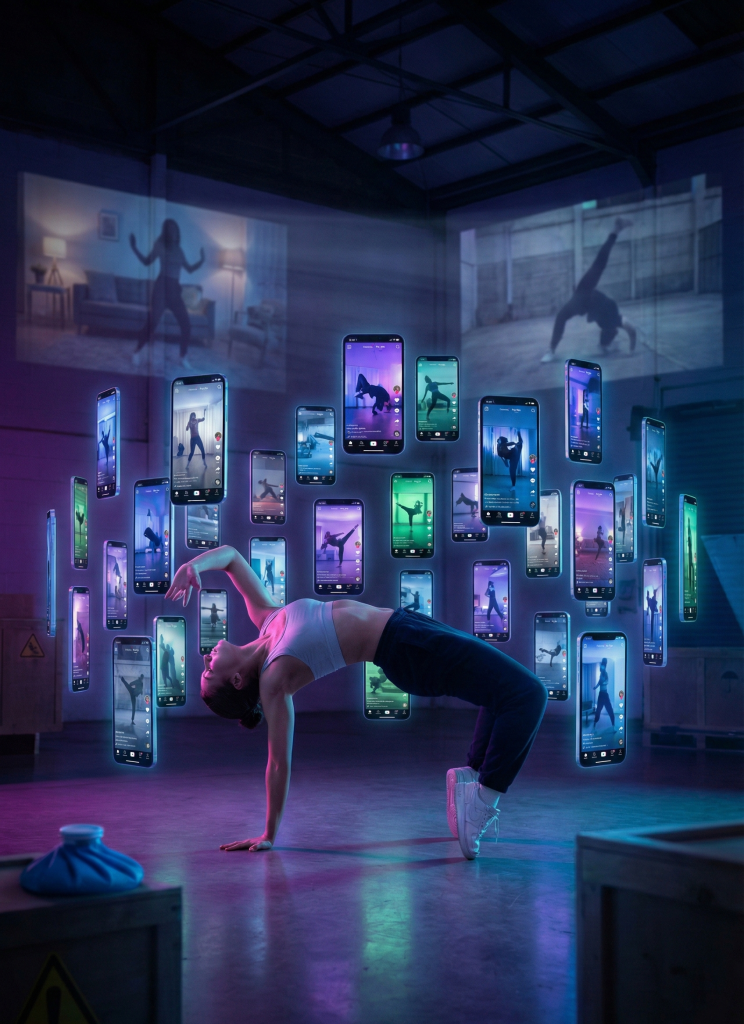
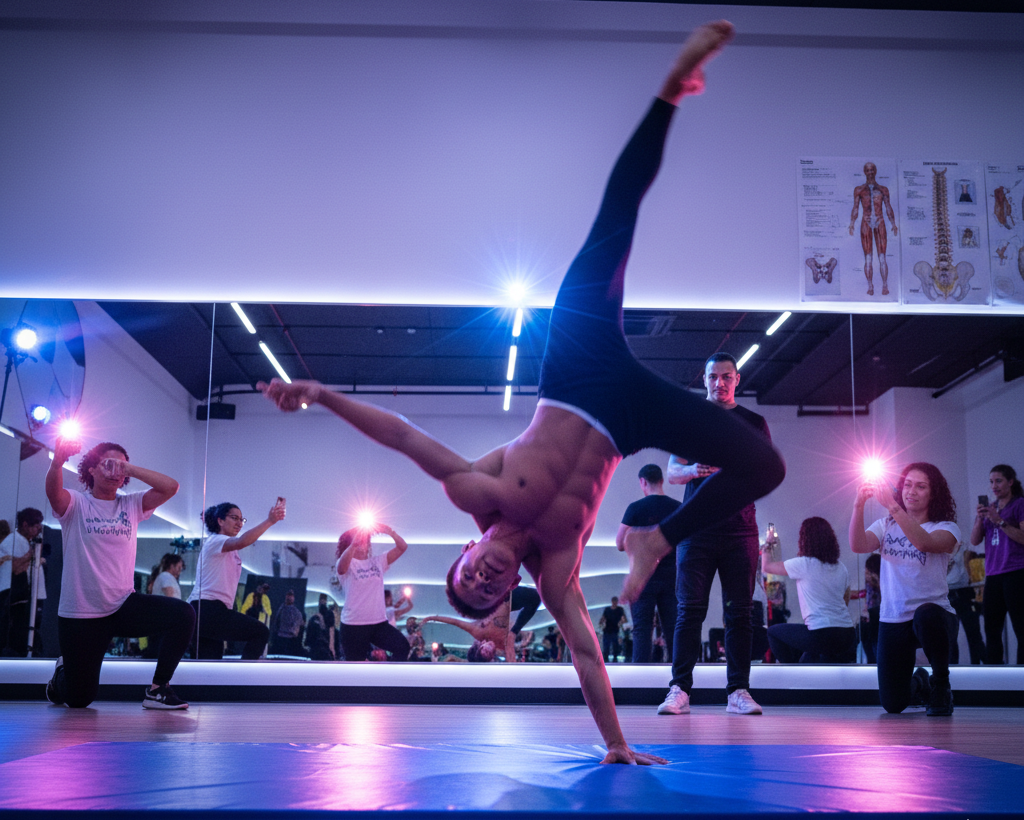
The viral era brought a new audience. Social media platforms turned the Death Drop into a global trend. Young dancers worldwide attempted the move without guidance. This increased both visibility and risk.

Viral Culture and the Death Drop
Short-form video platforms reward spectacle. The Death Drop is fast, dramatic, and easy to capture in one second.
On TikTok, it became a challenge.
On Instagram Reels, it appeared in choreographed clips.
On YouTube Shorts, it became a punchline or dramatic flourish.
But this popularity created problems. Many people attempted it without mats, proper training, or warm-ups. Emergency rooms saw more injuries.
The move’s viral appeal hides the training and technique required to perform it safely.
The Mechanics of the Move
The Death Drop defies instinct. Humans are wired to protect themselves from falling backward. Dancers must override this natural reaction.
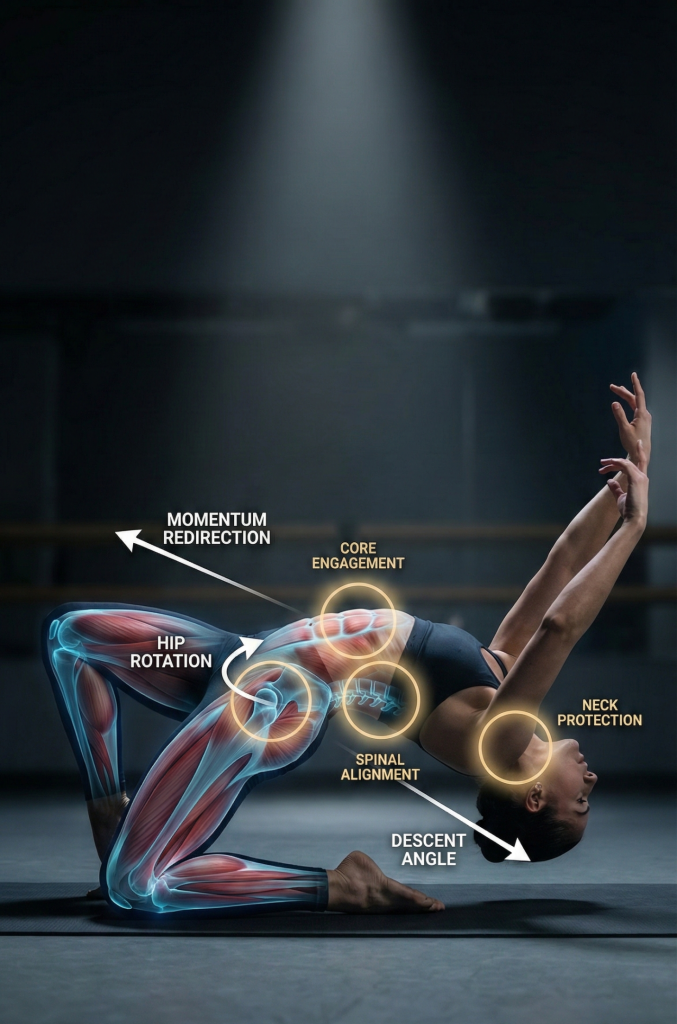
Key components include:
Momentum redirection: converting a vertical stance into a controlled fall
Hip rotation: moving the extended leg safely
Spinal stabilization: engaging core muscles to avoid hyperextension
Force absorption: landing on thick muscle instead of bone
Head protection: tucking the chin to prevent whiplash
When any of these fail, injuries are common. Physical therapists report:
Tailbone fractures
Knee sprains
Hip flexor strains
Neck tension
Rare head injuries
Even trained dancers can be hurt if fatigued or performing on a hard surface.

Cultural Significance
The Death Drop is more than a stunt. It tells a story.
In ballroom, it signals dominance and style.
In drag performance, it punctuates comedy or drama.
In commercial choreography, it creates a visual climax.
In contemporary dance, it can represent collapse or emotional release.
It is both expressive and technical. The drama and risk make it captivating.
Why Dancers Continue to Perform It
Dancers are motivated by several factors:
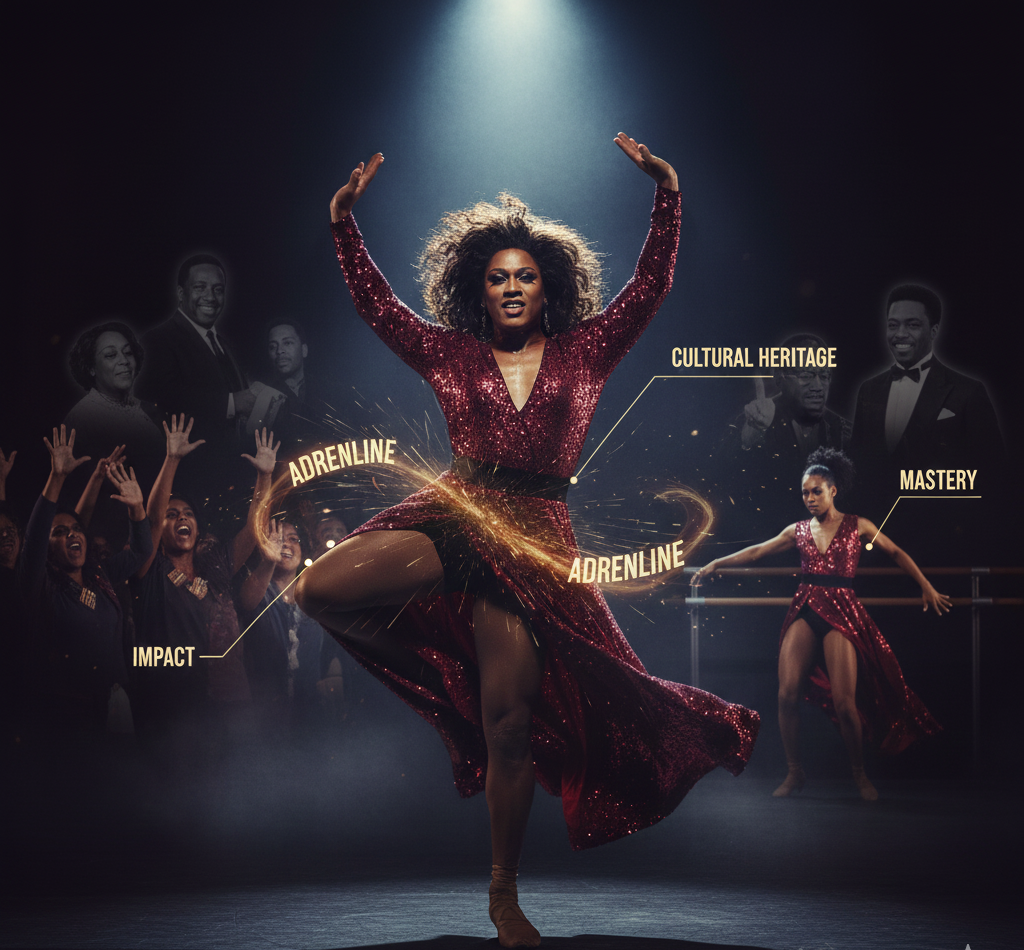
1. Impact: The move leaves a lasting impression on audiences.
2. Mastery: Learning the Death Drop requires discipline and skill.
3. Adrenaline: Performing a risky move creates a mental and physical thrill.
4. Culture: It honors the communities that created the original dip.
These factors outweigh fear for many dancers.
Injuries Behind the Scenes
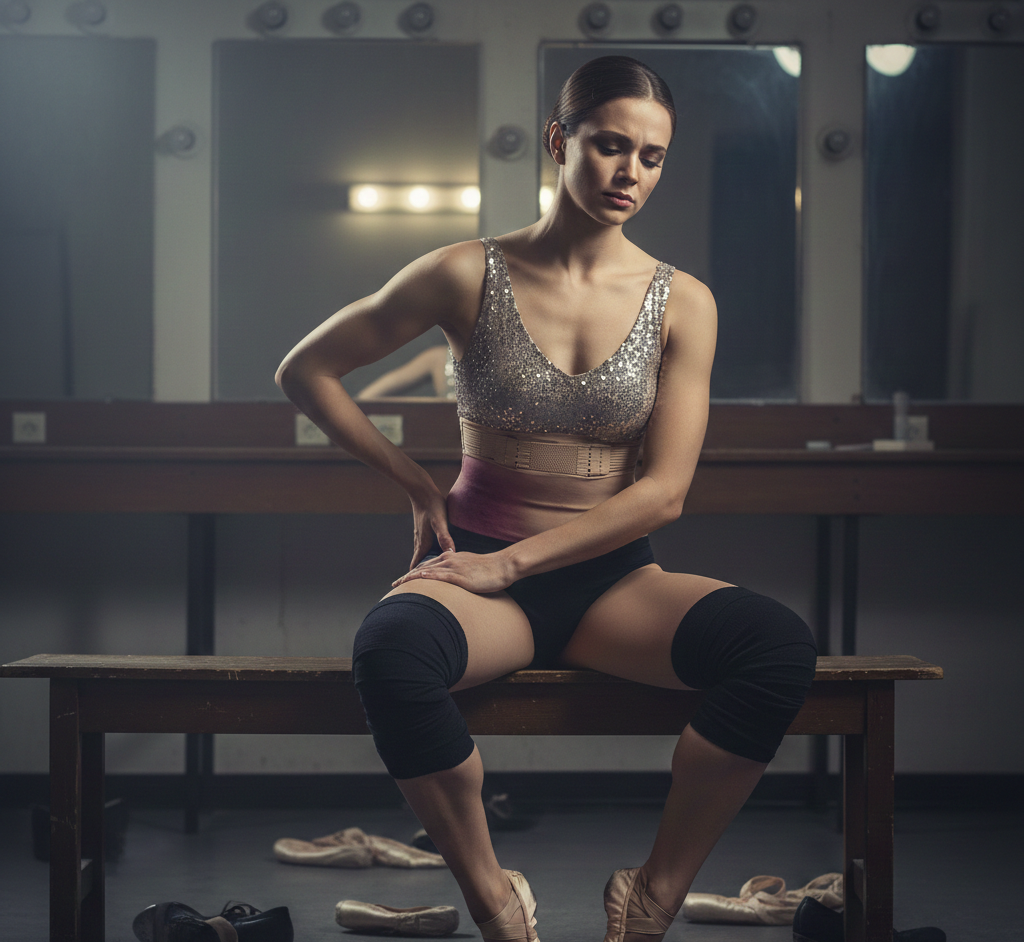
Even professional dancers report injuries.
A touring dancer injured their hip performing multiple shows.
Chronic tailbone pain is common among performers.
Knee and lumbar strains occur with repeated practice.
The move can be safe with proper training, but repeated high-stress performance increases the risk.
Training for Safety
Professionals break the move into steps.
Core conditioning stabilizes the spine.
Glute strength absorbs impact.
Quadriceps and hamstrings control the legs.
Neck exercises protect the head.
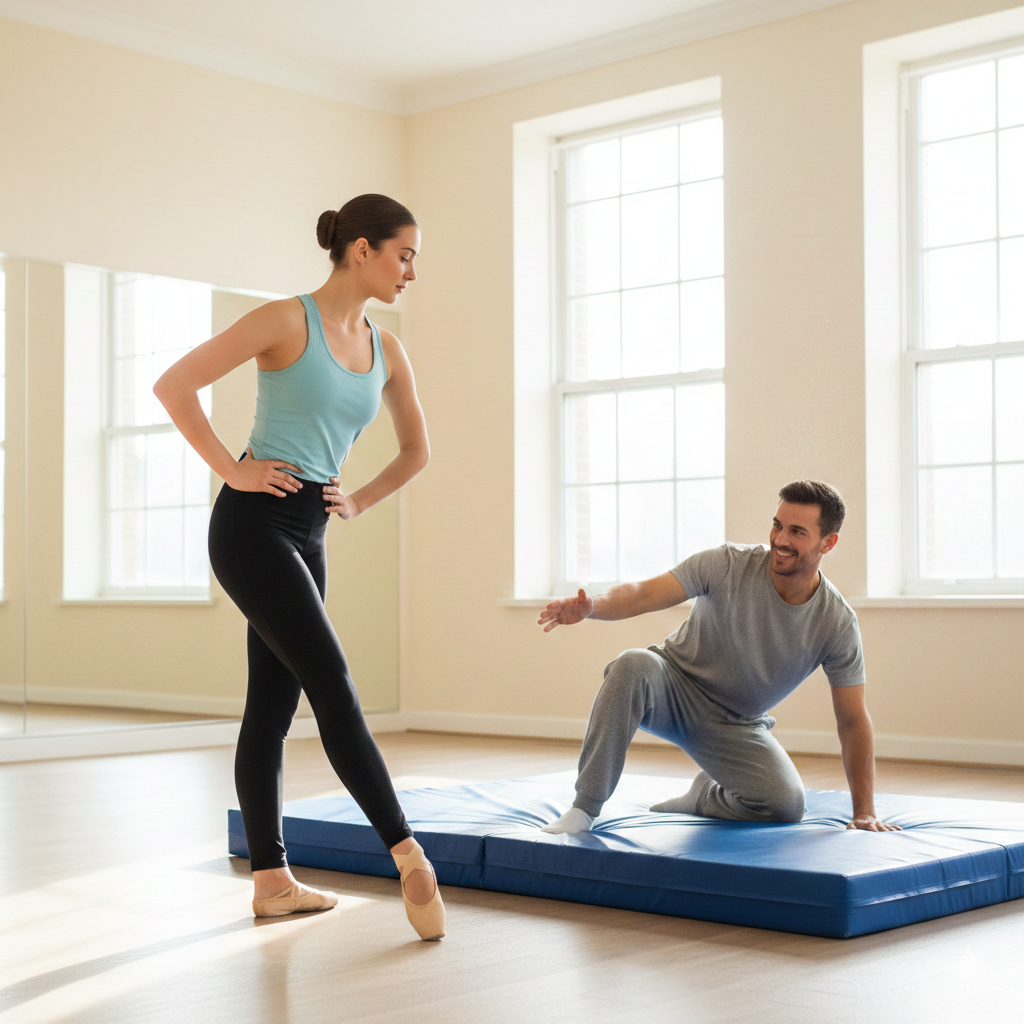
Mats and spotters provide safety during practice.
Training is deliberate and slow. Safety is prioritized over spectacle.

Advice for Beginners
Most instructors advise beginners to avoid the Death Drop.
Core stability is essential
Hip rotation and flexibility are required
Backward fall control is critical
Skipping foundational training leads to injuries. Progressive drills are necessary before attempting the full move.
The Death Drop in Modern Media
The move has evolved through social media. Variations appear online:
Rotational drops
Forward dips
Floor work transitions
Education about proper technique has also spread. Some studios offer workshops focusing on anatomy and safety.
The Death Drop is unlikely to disappear. Its visual appeal and cultural significance ensure its longevity.
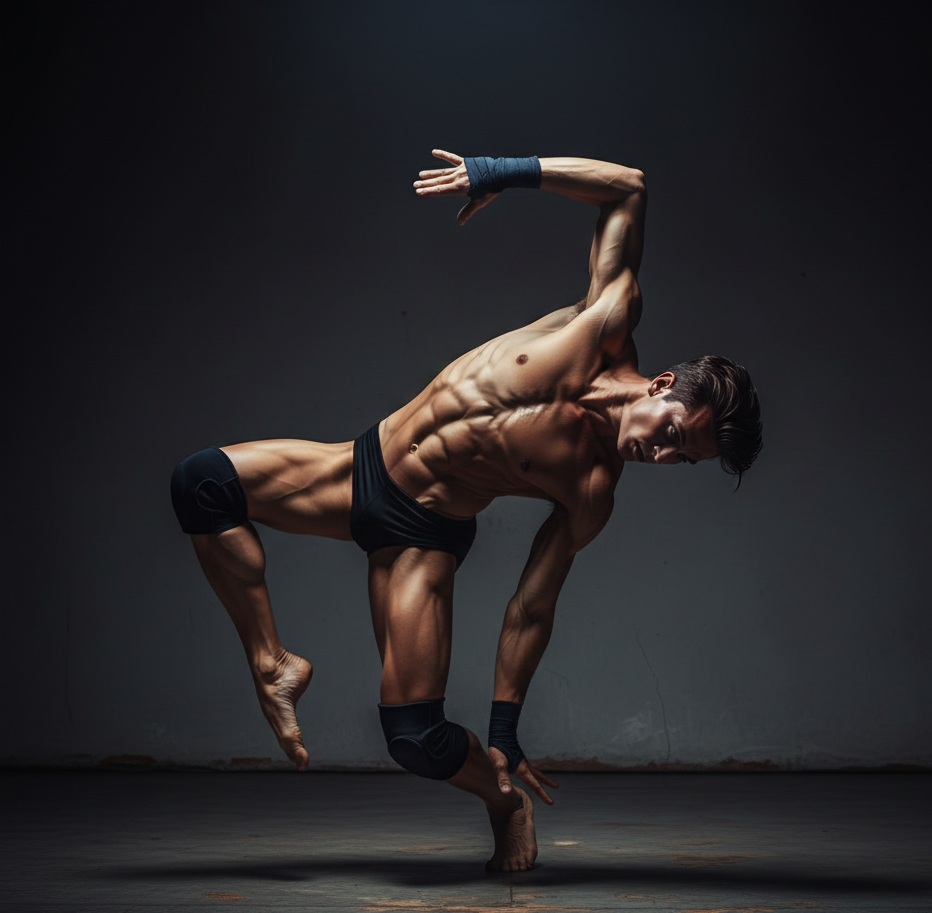
A Gesture Between Beauty and Danger
Dance often balances art and risk. Pointe shoes, lifts, flips — all carry potential injury.
The Death Drop exemplifies this balance. It is theatrical yet technical, dangerous yet beautiful.
Performing it well requires control, strength, and respect for the movement. It is not recklessness. It is intentional artistry.
The move’s lasting appeal comes from its combination of drama, skill, and cultural meaning.
The Death Drop is more than a viral trend. It is a movement rooted in culture, technique, and emotion.
Dancers perform it not for attention alone, but for mastery, expression, and the thrill of storytelling. The risks are real, but so are the rewards: impact, artistry, and cultural significance.
This is the story behind the most dangerous dance move in modern culture — a move that continues to captivate, inspire, and challenge dancers around the world.
Respect the technique. Honor the culture. Understand the risk. And never underestimate the skill behind the Death Drop.
-
-
-
-
Signs Your Dance Studio Needs Better Management Software
Signs Your Dance Studio Needs Better Management Software Most dance studios do not realize they have outgrown their current system until the same problems keep showing up: missed payments, messy schedules, parent questions, attendance gaps, and too many hours spent fixing admin details. Spreadsheets and basic calendars may work when your studio is small. But…
-
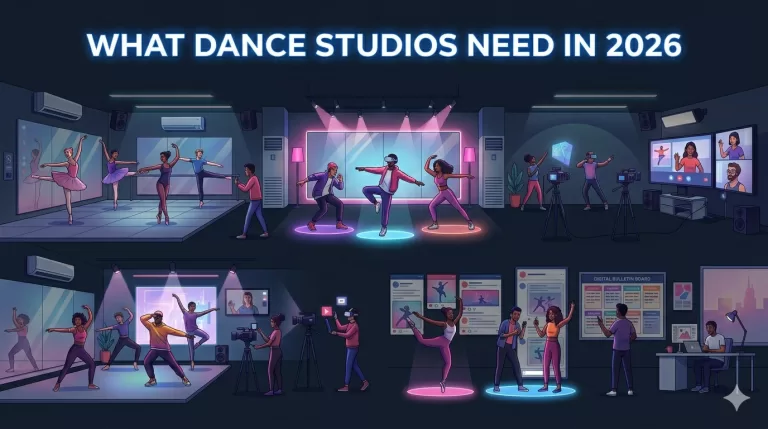
What Dance Studios Really Need in 2026
What Dance Studios Really Need in 2026 Dance studios in 2026 are operating in a very different environment compared to just a few years ago. It is no longer just about running classes and teaching choreography. Today's studios are dealing with higher parent expectations, faster communication demands, more complex schedules, increased competition, and growing administrative…
-
-
Dance Studio Scheduling Mistakes That Cost You Students (And Money)
Dance Studio Manager helps reduce scheduling guesswork by tying each class schedule to real studio data. Instead of placing classes based on instinct alone, studios can review assigned students, attendance status, instructor assignments, class capacity, and schedule-level details in one place. For a broader look at how the platform handles recurring class setup, calendars, and…
-
-
Moneris Payment Processing
Moneris Payment Processing for Dance Studio Manager A strong Canadian payment option for studios that want secure online billing, recurring payments, and reliable in-person collection. Moneris gives Dance Studio Manager customers a payments story that fits Canada especially well, combining online payments, payment devices, gateway and API tools, and fraud-focused support in a processor brand…
-
Paystri Payment Processing
Paystri Payment Processing for Dance Studio Manager Integrated payments built for studios that want secure online billing, recurring tuition, and a smoother parent payment experience. Paystri gives Dance Studio Manager customers a modern processor story centered on hosted payment forms, recurring billing, tokenization, payment devices, and strong customer support without making your team fight a…
-
-
-
-
-