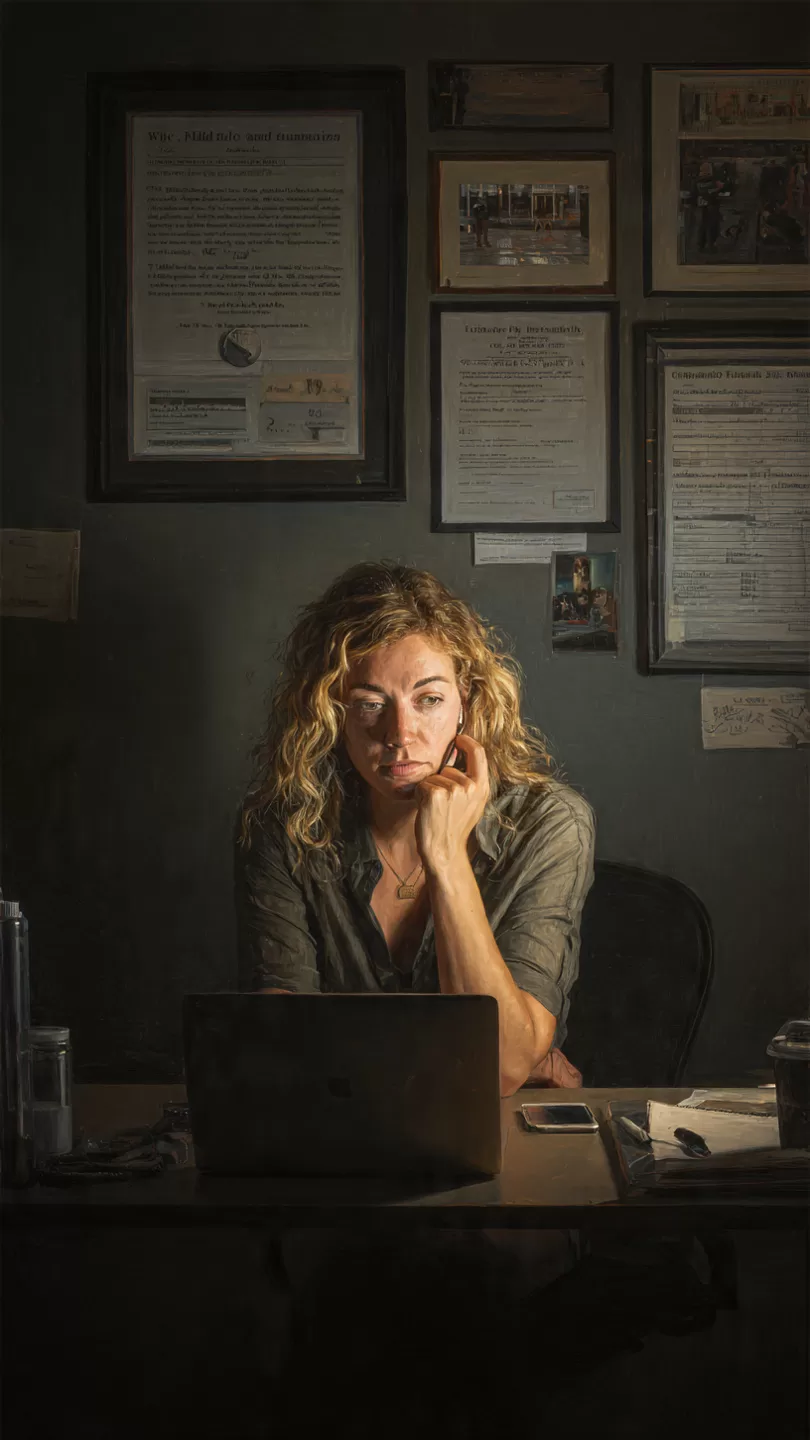
How to Handle Rude Students in Your Dance Studio: Types and Solutions
Dealing with rude students in a dance studio can be stressful for owners and teachers. From talking back to disrupting class, knowing how to respond calmly protects your studio culture.
Here’s the different types of rude behavior and practical ways to handle them, step by step.
1. Students Who Talk Back
What it looks like: Students argue with the teacher, question corrections in a disrespectful tone, or interrupt instructions.
How to handle it:
Speak privately after class. Calmly point out that backtalk disrupts learning.
Use neutral responses in-class, like:
"I hear you—let’s focus on the next step.”
Q: How should I respond when a student talks back during class?
A: Address the behavior privately, remain calm, and avoid making it personal. Public correction can escalate the issue.
2. Disruptive Students
What it looks like: Loud side conversations, phone use, or intentionally distracting other students.
How to handle it:
Give one clear verbal reminder.
Pause the class briefly if behavior continues, and remind the student of rules.
Escalate to parent communication or removal if repeated.
Q: Can I ask a disruptive student to leave class?
A: Yes, if it protects the learning environment for others. Always document incidents and remain professional.
3. Rude or Entitled Parents
What it looks like: Parents snap at staff, make unreasonable demands, or complain loudly in class or online.
How to handle it:
Step in as management and support your staff publicly.
Redirect the conversation privately.
Refer to your studio’s policies consistently.
Q: How should studio owners deal with rude parents?
A: Stay calm, enforce policies, and back up staff. Document interactions if needed.
4. Passive-Aggressive or Online Rudeness
What it looks like: Sarcastic messages, negative social media posts, or subtle complaints disguised as “feedback.”
How to handle it:
Respond professionally or not at all.
Take conversations offline whenever possible.
Document interactions for future reference.
Q: Should I respond to rude comments online?
A: Only respond calmly, factually, and privately. Avoid public arguments.
5. Students Who Refuse to Follow Directions
What it looks like: Ignoring instructions, skipping parts of choreography, or distracting others.
How to handle it:
Redirect immediately with clear commands:
"Let’s focus on the counts and try that step again."
Offer personal attention after class to reinforce rules.
Q: How can I get students to follow instructions without confrontation?
A: Use short, neutral redirection in class and private guidance afterward.
6. Repeated Offenders
What it looks like: Students who continue rude behavior despite warnings.
How to handle it:
Keep written documentation of behavior and conversations.
Apply consistent consequences: warnings, parent meetings, or temporary removal.
Maintain calm, professional communication.
Q: When should I consider removing a student for behavior?
A: If repeated misbehavior continues after private correction, remove them to protect studio culture.
7. Students Who Distract Others
What it looks like: Side talking, unnecessary movements, or teasing classmates.
How to handle it:
Give immediate redirection.
Praise students who stay on task as examples.
Use small responsibilities, like leading a step, to redirect negative energy.
Q: Can giving responsibilities to disruptive students help?
A: Yes. It engages them positively and sets an example for the class.
8. Students Who Disrespect Staff
What it looks like: Snapping at front desk staff, ignoring instructions, or complaining.
How to handle it:
Step in immediately.
Reinforce that disrespect toward staff is not acceptable.
Apply policies consistently, including parent meetings if necessary.
Q: How should owners protect staff from disrespect?
A: Support staff publicly, enforce rules, and document incidents.
9. Passive-Disruptive Students
What it looks like: Whispering, subtle interruptions, or body language that shows disrespect without speaking.
How to handle it:
Redirect attention with non-verbal cues or proximity.
Give a positive example to the class:
Look at how is focused—let’s all follow that example.
Q: How can subtle disruption be managed?
A: Use non-verbal redirection and positive reinforcement to minimize attention-seeking behavior.
10. Students Who Just Won’t Change
What it looks like: Repeated offenses, ignoring all redirection, and affecting class culture.
How to handle it: