THE DANCE THAT BROKE THE FLOOR: A DEEP LOOK AT THE MOVE THAT SHATTERED STAGES, CHANGED CHOREOGRAPHY, AND SHOCKED THE WORLD
There are dance moves that become trends.
There are dance moves that tell stories.
Then there are dance moves that leave a literal crack in the world beneath them.
This is the story of The Dance That Broke the Floor—not a metaphor, not an exaggeration. A real moment that happened on real stages, filmed by real audiences, and shared so widely that the internet couldn’t decide whether to laugh, panic, or cheer.
And most people have still never heard the full story.
This is that story.
HOW A SINGLE MOVE TURNED INTO A GLOBAL SHOCK CLIP
No one expected anything unusual the night it first happened.
It was a normal performance. Bright stage lights. Loud speakers. A crowd waiting for the drop. The dancers stepped forward, shoulders lifted, knees bent, and the rhythm built.
Then came the move.
A jump.
A twist.
A collective landing with perfect sync—loud, heavy, and sharp.
Everyone expected applause.
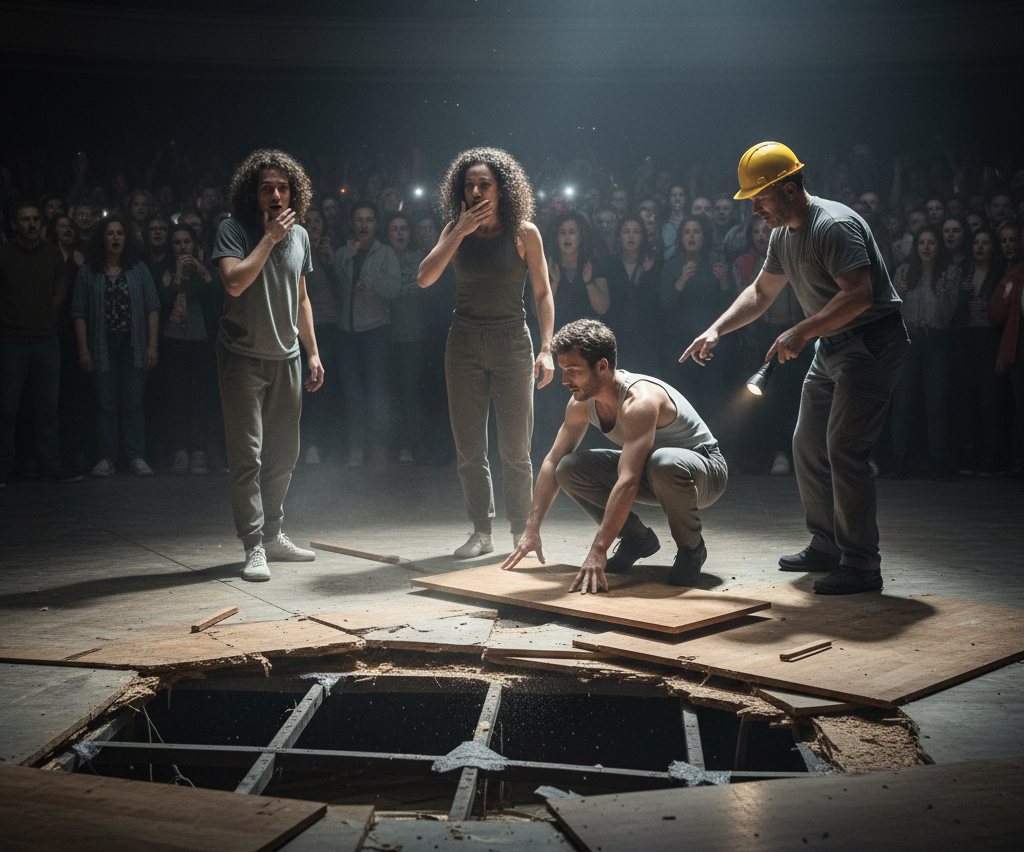
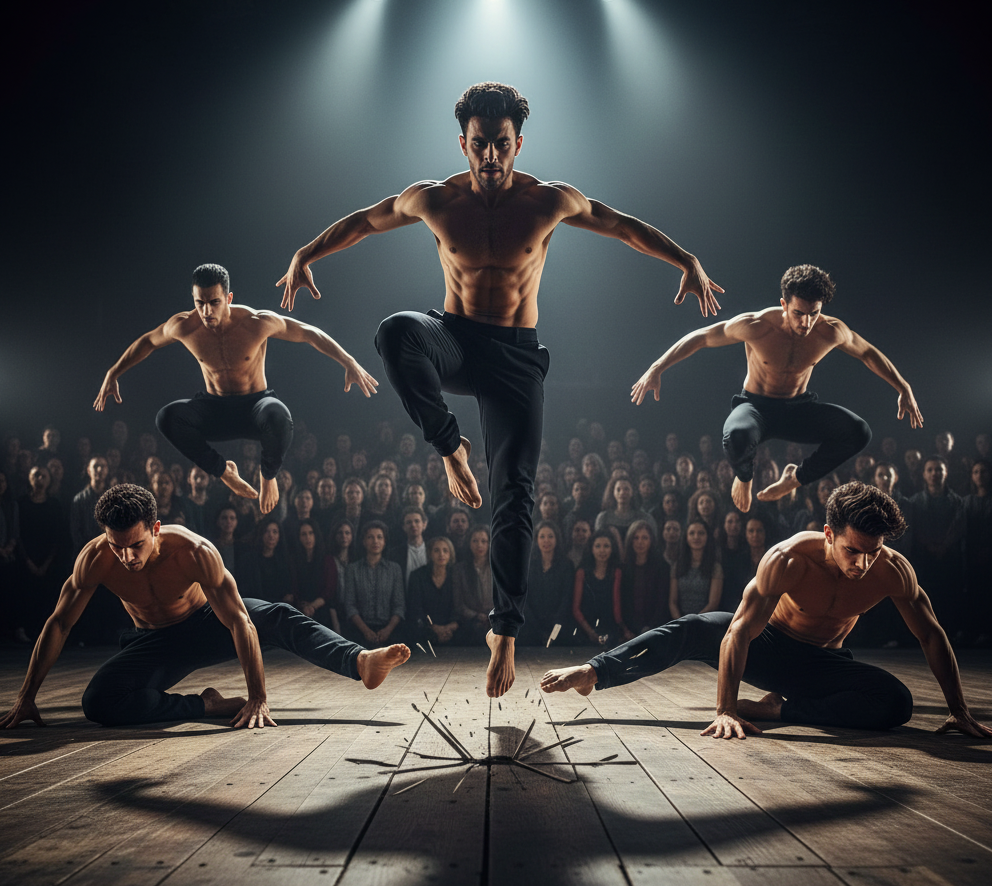
Instead, the floor cracked.
Not a small crack.
Not a hairline fracture that you’d only notice if you zoomed in.
The whole front panel split like glass under pressure.
The dancers froze.
The audience screamed.
The cameras caught everything.
Within hours, clips of the moment spread across TikTok, YouTube, Instagram Reels, and dance forums. More angles appeared. People slowed the footage. Some added edits, memes, dramatic music. Others ran commentary videos explaining the physics of why the stage collapsed.
It became a phenomenon.
A moment bigger than the performance.
A piece of dance history that no one planned.

WHY THIS MOVE IS MORE DANGEROUS THAN IT LOOKS
At first glance, the move seems simple. It’s a basic group impact step. Many dance genres use it, from hip hop to contemporary to even small-stage K-pop performances.
But the danger comes from three forces combined:
1. Synchronized Mass Impact
When ten or more dancers land at the same time, their combined weight multiplies. Engineers call this a dynamic load. It’s far heavier than standing still.
2. High Velocity Descent
The dancers didn’t just step down—they dropped from a jump. The extra downward force makes the landing much stronger.
3. Stage Conditions
Many performance stages are portable. They’re made from wooden panels mounted on frames. Not all can withstand heavy coordinated impact.
So while the move itself wasn’t new, the conditions on that night were the worst possible combination.
The dancers landed.
The stage didn’t survive.
This wasn’t a reckless act or a mistake. They performed a move practiced thousands of times. But physics doesn’t care how rehearsed you are.
And when that force hit weak floorboards, nature chose the outcome.
THE INTERNET’S OBSESSION: THE MOMENT OF IMPACT
People online became obsessed with the split second where the floor gives way.
Frame by frame:
You see the dancers suspended in air.
You see the shadow under them tighten.
You see the moment gravity pulls them down.
You see the boards bend—just slightly.
Then, a crack bursts across the stage like lightning.
Clips went viral with titles like:
“The Dance Move That Literally Broke the Floor”
“POV: Your Stage Was Not Ready for This Choreo”
“The Jump Heard Around the World”
“When Your Performance Is TOO Good”
Reaction videos exploded.
Engineers stitched the clip to explain load distribution.
Choreographers stitched it to talk about rehearsal risks.
Fans stitched it to scream dramatically over the footage.
Even if you weren’t a dancer, it was impossible not to be fascinated.
It was the kind of moment that lives forever on the internet. Short, shocking, visually clear, and undeniably real.
THE HISTORY OF HIGH-IMPACT DANCE MOVES
This moment didn’t come out of nowhere.
Dance has always had moves that push boundaries.
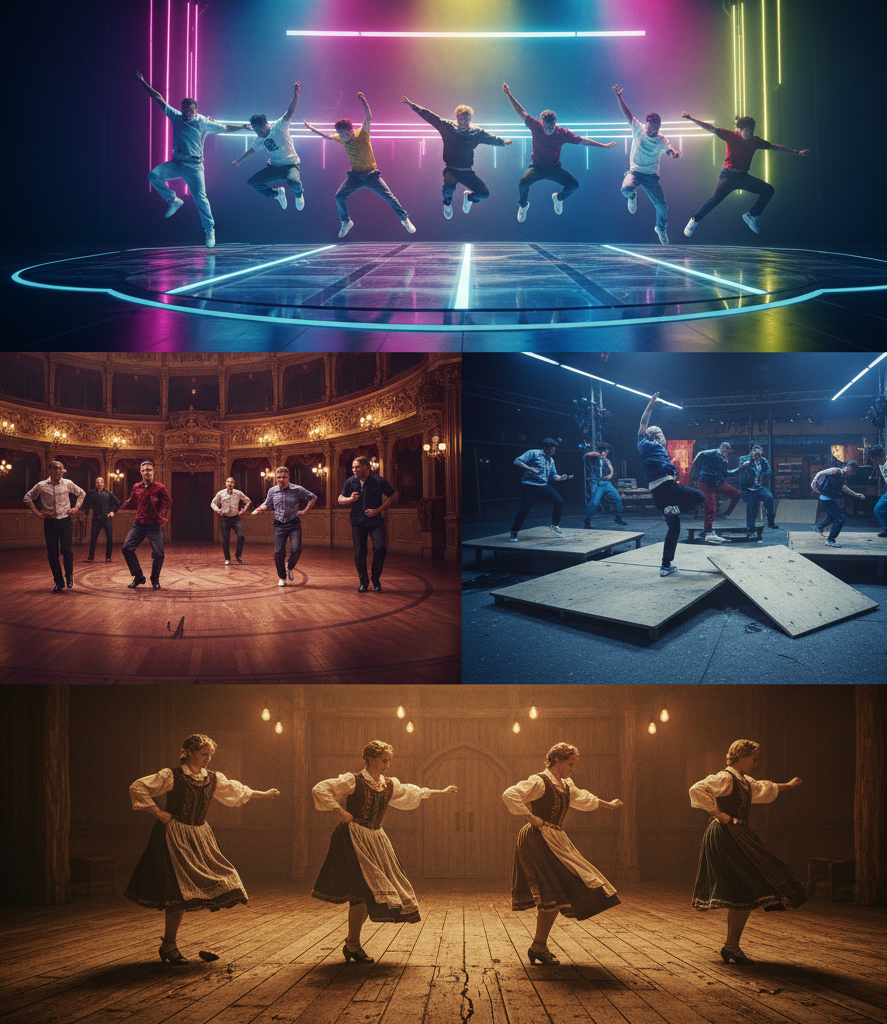
A century ago, floor-slams in traditional folk dances caused wooden stages in rural towns to shake and split. Tap dancers cracked theater boards during long shows. Breakdancers fractured cheap platforms in underground battles.
This particular move, however, has modern roots.
Hip Hop Crews and the Rise of Group Impact Choreography
Back in the early 2000s, street crews began adding synchronized jumps and stomps. It was a way to show unity. A way to make the audience feel the rhythm, not just hear it.
The more dancers you could sync, the more impressive it looked.
K-pop later adopted it, turning the move into a polished, camera-ready moment. Large groups performing high-impact choreography became iconic in music shows and competitions.
But as stages grew brighter and flashier, the structure beneath sometimes stayed the same—thin boards on metal frames.
The pressure built.
Eventually, it gave way.
WHAT DANCERS SAID AFTER THE INCIDENT
Members of the group later spoke about the moment. They weren’t injured, but they were shaken.
One dancer said:
“We heard a crack and thought something fell backstage. Then we realized we were standing in it.”
Another added:
“We practiced that move thousands of times. The floor never broke before. We didn’t expect anything like that.”
A stagehand who witnessed the collapse said:
“The panel had been slightly weak for weeks, but no one expected it to break right at that moment. The synchronized jump was too much.”
It wasn’t negligence.
It wasn’t a mistake.
It was the perfect storm of timing, structure, and force.
THE SCIENCE OF WHY THE FLOOR CRACKED
Engineers analyzed the viral video and gave a surprisingly clear explanation.
1. Dynamic Load Multiplier
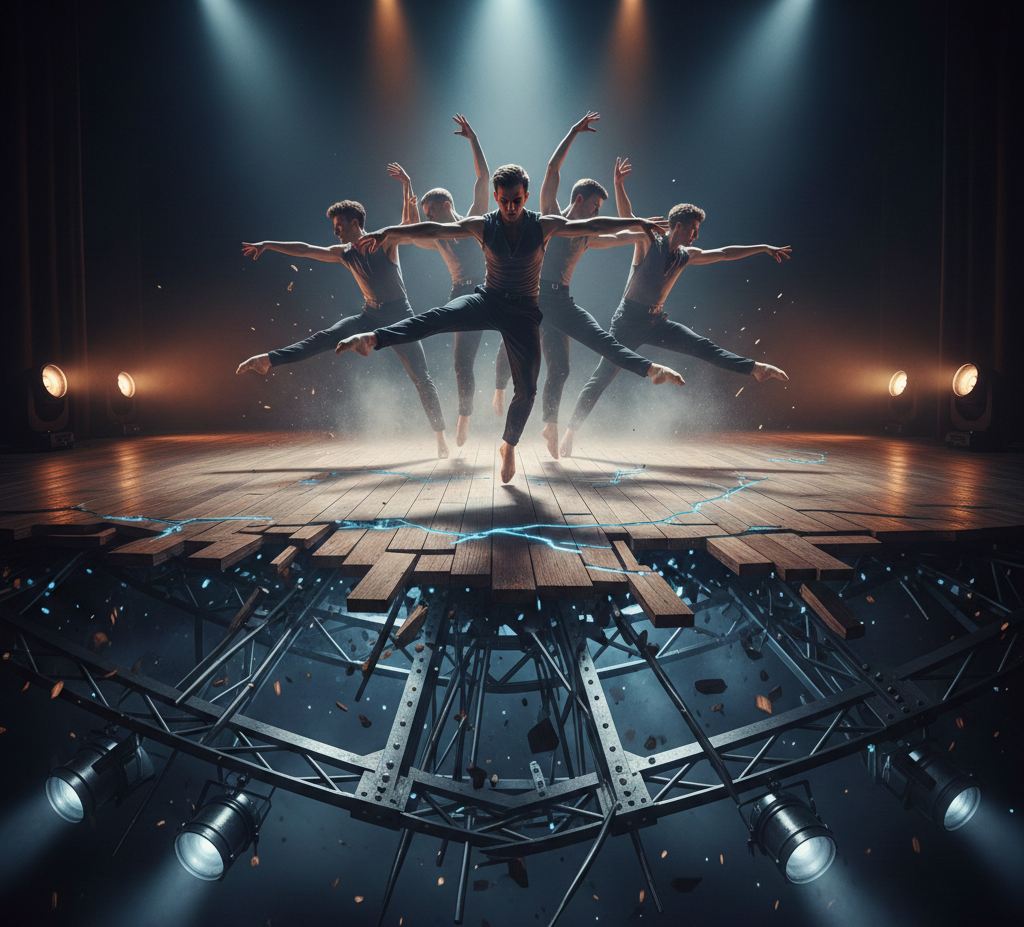
If a dancer weighs 60 kg, jumping and landing can momentarily create the force of 180–240 kg. Multiply that by 10 dancers, and the stage takes a shock of nearly 2,000 kg in one instant.
2. Weak Board Flexion
The floorboards were mounted on a steel frame. Over time, wood panels absorb moisture, dry out, and weaken. Even a slight soft spot can become the failure point when hit with sudden impact.
3. Perfect Synchronization
Ironically, the dancers’ skill made the collapse more likely. Perfectly synchronized landings meant the force hit at the exact same nanosecond.
A half-second difference?
The stage might have held.
Perfection broke the floor.
How many dance moves can claim that?
HOW THIS MOMENT CHANGED CHOREOGRAPHY
After the incident, studios and choreographers started rethinking stage safety.
Some began putting these guidelines into rehearsals:
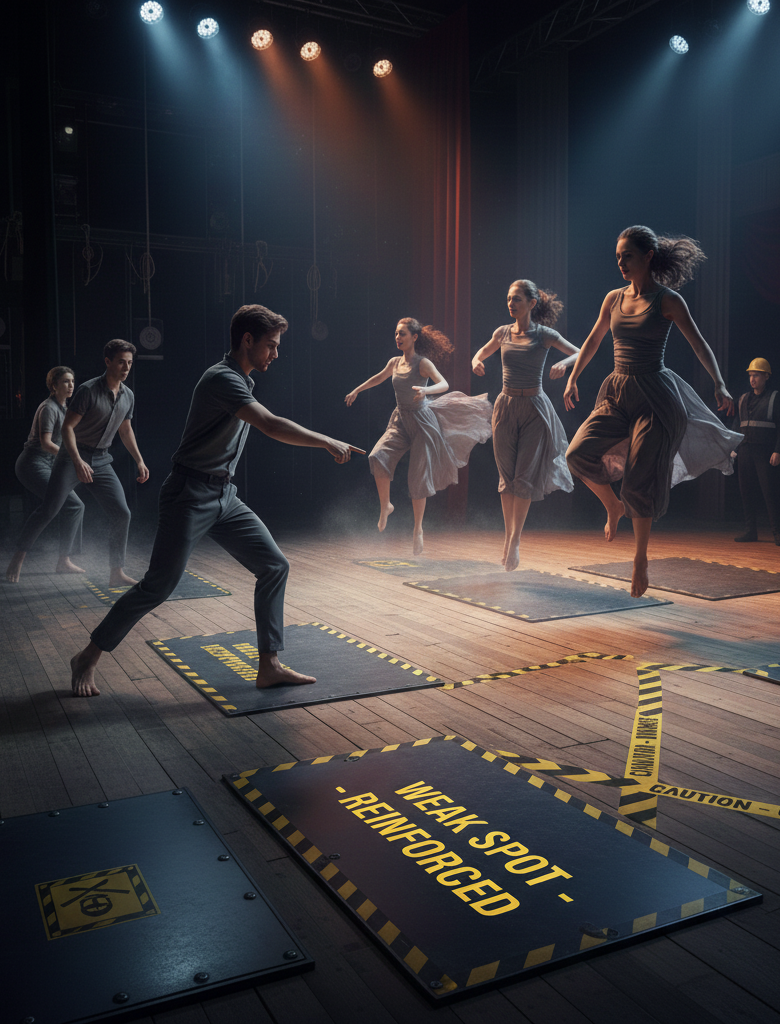
Always test the stage with a stomp.
Spread dancers out before a heavy landing.
Avoid synchronized jumps on portable platforms.
Check for hollow-sounding panels.
Inspect for bending before full-power moves.
Tour crews began bringing stage reinforcement panels.
Competition organizers started banning certain synchronized landings.
Some groups rewrote choreography for safety.
The move didn’t disappear, but it became a sign of caution.
Few dance moments have such influence.
THE CULTURAL IMPACT: WHY THIS STORY MATTERS
People didn’t just share the clip because it was dramatic.
They shared it because it symbolized something deeper:
The raw power of dance.
Dance is often treated as delicate, soft, or graceful.
Something elegant. Something light.
But this moment showed the opposite.
Dance is strength. Force. Precision. Power.
Dancers aren’t just performers.
They are athletes trained to control explosive energy.
The floor didn’t break because of clumsiness.
It broke because the dancers were too good at what they did.
And people loved that.
It became a reminder that being an artist doesn’t mean being fragile.
A dancer can break a stage and still land on beat.
WHY PEOPLE CAN’T STOP REWATCHING IT
There’s a reason videos like this go viral again and again.
1. It’s Unexpected
People expect choreography, not construction failure.
2. It’s Visually Clear
The crack is visible. The timing is perfect. The audience’s reaction is instant.
3. It Feels Powerful
Seeing human movement overpower a stage is emotionally intense.
4. It’s a mix of danger and safety
No one was hurt, which frees the viewer to enjoy the shock.
5. It triggers curiosity
Everyone asks the same question:
“How hard were they dancing?”
The mystery keeps the clip alive.

THE FLOOR THAT BROKE BECAME AN ICON
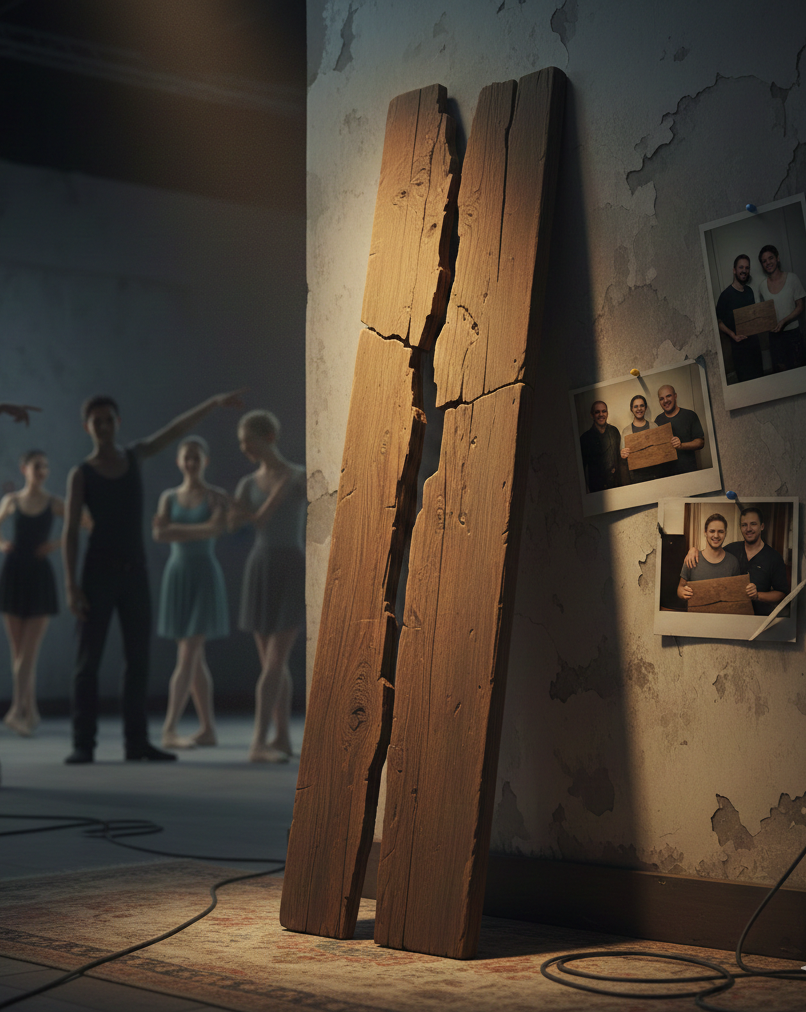
After the incident, the broken panel didn’t get thrown away.
According to stage crew members, it was kept like a trophy.
Some even took pictures with it.
The crack became part of backstage history.
A reminder of what dance can do.
There were rumors that it was framed, though no one knows for sure.
But people still talk about “the floor that broke.”
It’s rare for a prop or panel to become part of dance legend.
Yet this one did.
STAGES THAT BROKE AFTER — THE CHAIN REACTION
After the first viral clip, something interesting happened.
Other dancers began posting similar experiences:
Floors bending during cheer choreography
Wooden platforms cracking during cultural dance festivals
Portable wedding stages collapsing under group jumps
Rehearsal rooms denting under heavy stomp routines
TikTok dancers breaking flimsy plywood boards at home
A new trend formed:
“Show us your floor-breaking moment.”
People weren’t mocking it.
They were sharing their own history.
Some clips showed dancers jumping so hard that dust exploded from the panels.
Some showed tiles popping loose.
Some showed floors warping permanently.
The internet created a collage of raw dance power.
For once, the world wasn’t laughing at dancers.
It was amazed by them.

WHAT THIS REVEALS ABOUT DANCE AS A SPORT
Many people underestimate dance.
They think dancers just “move gracefully” or “memorize choreography.”
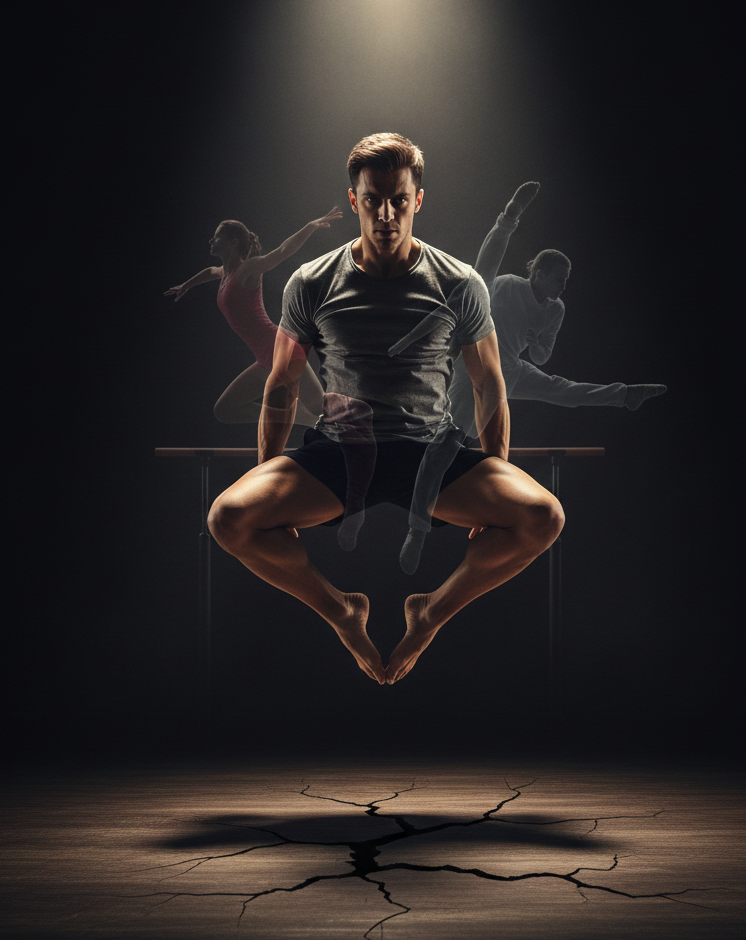
But the floor didn’t break because of grace.
It broke because of athletic force.
Dancers train:
Leg strength like sprinters
Core control like gymnasts
Impact endurance like martial artists
Balance like acrobats
Rhythm accuracy like musicians
Most dancers can jump higher than the average trained athlete.
Most can generate explosive force with precision timing.
Most spend years conditioning their joints, muscles, and breath.
The move that cracked the floor didn’t happen in a moment of chaos.
It happened during a moment of mastery.
That’s what makes the story meaningful.
THE MOVE STILL LIVES TODAY — EVEN AFTER THE COLLAPSE
You’d think dancers would avoid the move after the incident.
But no.
It still appears in modern choreography.
It shows up in competitions.
It shows up in TikTok challenges.
It shows up in concerts.
It shows up in studios.
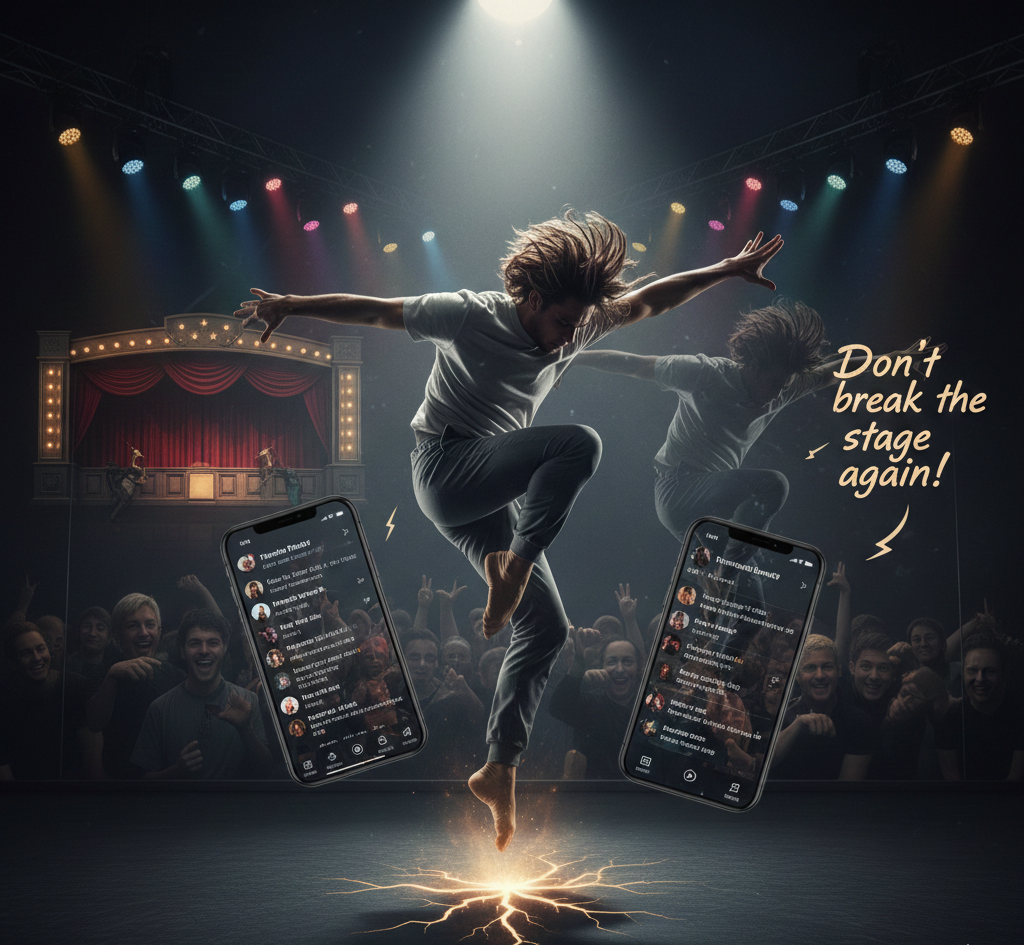
Some dancers even lean into the story and add floor-taps or stomp accents, making audiences joke:
“Careful, don’t break the stage again!”
The move became a badge of honor.
A challenge.
A symbol.
A moment of dance folklore that refuses to disappear.

WHY THIS STORY WORKS SO WELL FOR VIDEO CONTENT
This is one of the rare dance stories that hits all the elements of viral content:
A shocking moment
A floor literally cracks under dancers.
Real footage exists
Many clips available on TikTok, YouTube, Instagram.
Universal appeal
You don’t need dance knowledge to be amazed.
A mix of danger and safety
Exciting without being tragic.
A lesson
It reveals something about dance culture and athleticism.
High rewatch value
People watch the crack again and again.
This is why the topic is perfect for YouTube Shorts.
It delivers shock, curiosity, and entertainment in under a minute.
-
-
-
-
Signs Your Dance Studio Needs Better Management Software
Signs Your Dance Studio Needs Better Management Software Most dance studios do not realize they have outgrown their current system until the same problems keep showing up: missed payments, messy schedules, parent questions, attendance gaps, and too many hours spent fixing admin details. Spreadsheets and basic calendars may work when your studio is small. But…
-
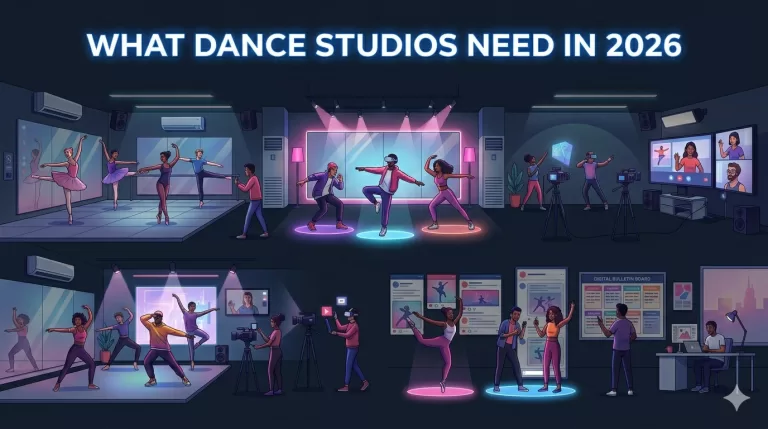
What Dance Studios Really Need in 2026
What Dance Studios Really Need in 2026 Dance studios in 2026 are operating in a very different environment compared to just a few years ago. It is no longer just about running classes and teaching choreography. Today's studios are dealing with higher parent expectations, faster communication demands, more complex schedules, increased competition, and growing administrative…
-
-
Dance Studio Scheduling Mistakes That Cost You Students (And Money)
Dance Studio Manager helps reduce scheduling guesswork by tying each class schedule to real studio data. Instead of placing classes based on instinct alone, studios can review assigned students, attendance status, instructor assignments, class capacity, and schedule-level details in one place. For a broader look at how the platform handles recurring class setup, calendars, and…
-
-
Moneris Payment Processing
Moneris Payment Processing for Dance Studio Manager A strong Canadian payment option for studios that want secure online billing, recurring payments, and reliable in-person collection. Moneris gives Dance Studio Manager customers a payments story that fits Canada especially well, combining online payments, payment devices, gateway and API tools, and fraud-focused support in a processor brand…
-
Paystri Payment Processing
Paystri Payment Processing for Dance Studio Manager Integrated payments built for studios that want secure online billing, recurring tuition, and a smoother parent payment experience. Paystri gives Dance Studio Manager customers a modern processor story centered on hosted payment forms, recurring billing, tokenization, payment devices, and strong customer support without making your team fight a…
-
-
-
-
-