Why Dance Studios Choose Dance Studio Manager Over Jackrabbit Dance
A detailed comparison for ballet, tap, jazz, hip-hop, contemporary, K-Pop, and youth dance programs
Dance studios are not just businesses—they are long-term learning environments for children, teens, and adults. Parents enroll their children expecting structure, progression, consistency, and clear communication. To support this, studios rely heavily on software that can handle the realities of running a youth-based dance program, such as:
year-long enrollment
monthly tuition and auto-pay
recital and costume preparation
multiple age groups and skill levels
busy schedules across several rooms
parents managing more than one child
When studios compare management systems like Jackrabbit Dance, many begin searching for a Jackrabbit Dance alternative that better supports modern workflows. While both platforms are designed for dance schools, many studios ultimately choose DSM because it offers a more modern, flexible, and scalable experience—especially for growing studios.
1. Modern Technology vs. Legacy System Design
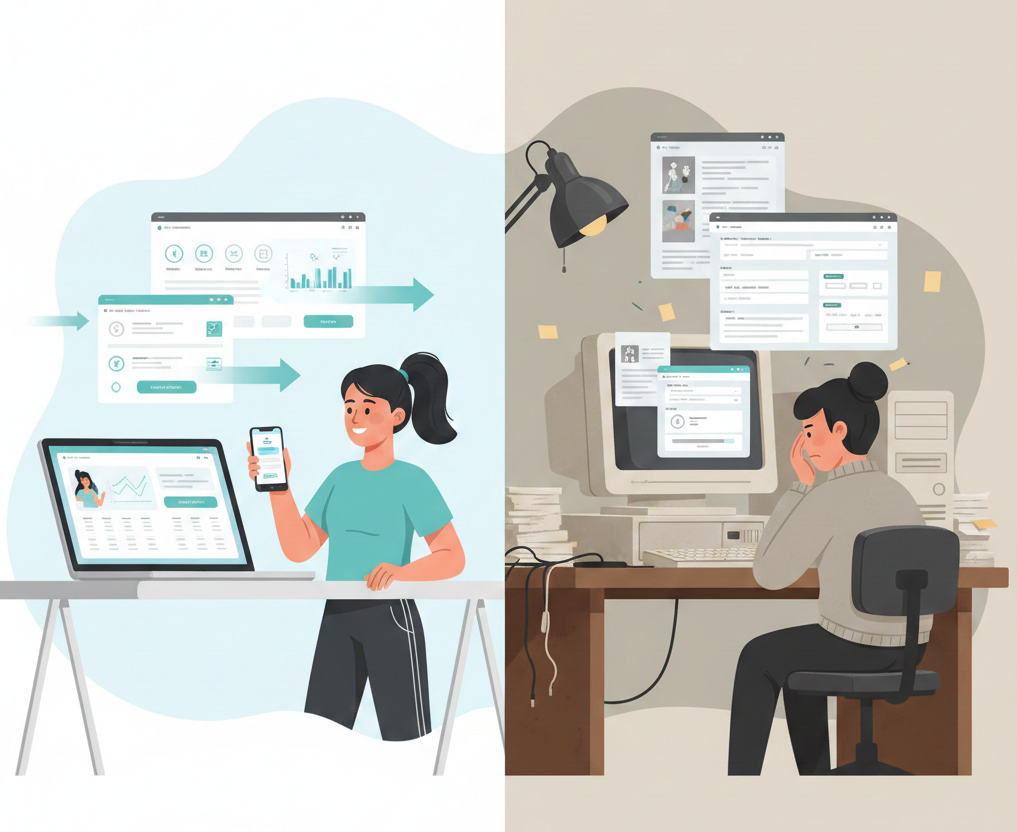
Jackrabbit Dance has been around for a long time and is trusted by many studios. However, its system was built years ago, and many studios find the interface and workflows dated and rigid.
Dance Studio Manager (DSM-Next) is built on modern frameworks designed for speed, flexibility, and continuous improvement. This results in:
faster load times
cleaner admin tools
smoother navigation
mobile-ready interfaces for parents and staff
quicker rollout of new features
Studios that want software that feels current—and won’t feel outdated in a few years—often lean toward DSM.

2. Cleaner, More Intuitive Experience for Parents
Parents can log in, enroll siblings, and complete monthly payments in a single session, without needing staff assistance. Jackrabbit Dance, while powerful, can feel overwhelming and cluttered for parents who are not tech-savvy.
DSM focuses heavily on parent usability. Its portal is designed to be clean, simple, and easy to understand, offering:
straightforward class selection
clear schedules by child
simple monthly payments
quick access to sibling information
fewer steps to complete enrollment
This leads to fewer parent questions, fewer enrollment errors, and less front-desk workload.
3. Flexible Enrollment Models Without Complexity
Jackrabbit Dance is strong in handling traditional year-long enrollment but can feel rigid when studios want flexibility—such as mixed session lengths, recreational programs, or hybrid billing models.
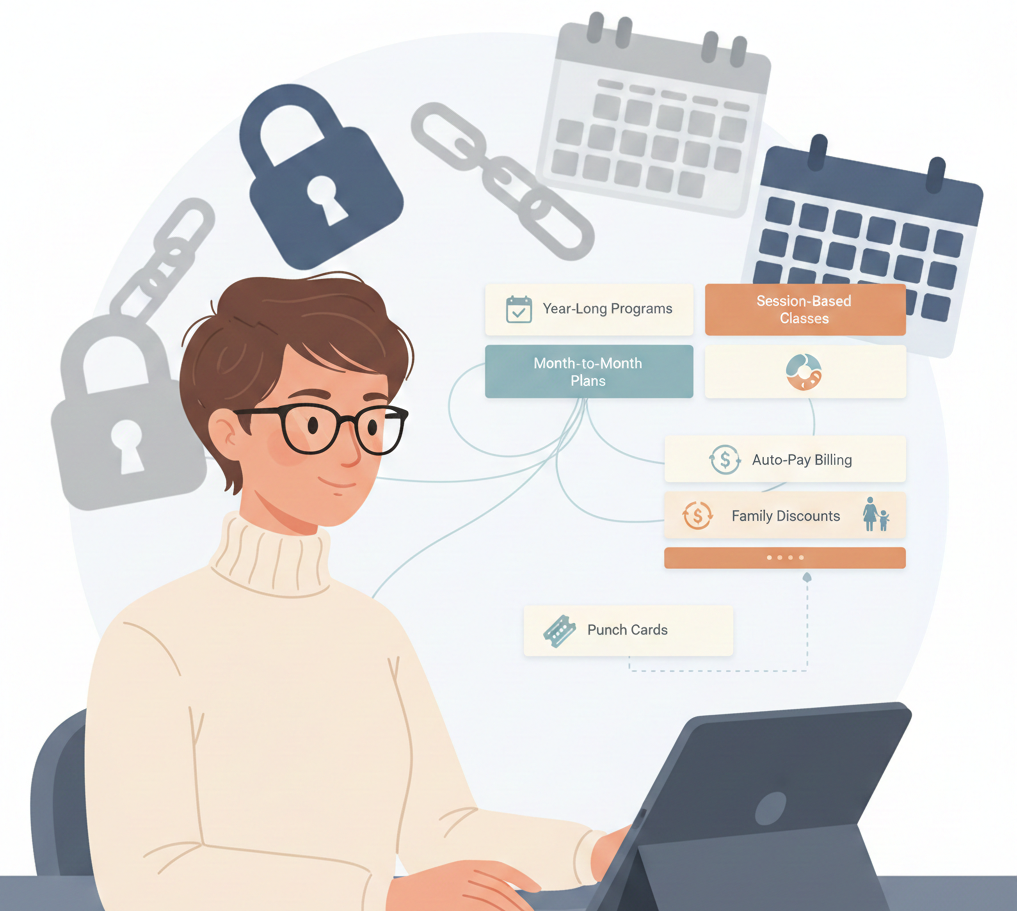
DSM supports a wide range of enrollment structures, including:
year-long tuition
month-to-month programs
session-based classes
auto-pay billing
family discounts
optional punch cards for hip-hop, K-Pop, or open classes
This flexibility makes DSM appealing to studios that offer both structured classical programs and recreational or drop-in-style classes—without adding confusion.

4. Easier Staff Training and Daily Use
Many studio owners report that Jackrabbit’s backend, while powerful, can be complex to learn. Most new staff members are productive within their first shift, rather than needing days of guided training.
DSM’s interface is intentionally streamlined. Common tasks, such as adding students, adjusting tuition, tracking attendance, or managing class capacity are easier to find and faster to complete. Why it matters:
less training time for new staff
fewer mistakes in billing or scheduling
smoother daily operations
For busy studios, simplicity translates directly into saved time.
5. Better Fit for Multi-Room, Multi-Style Studios
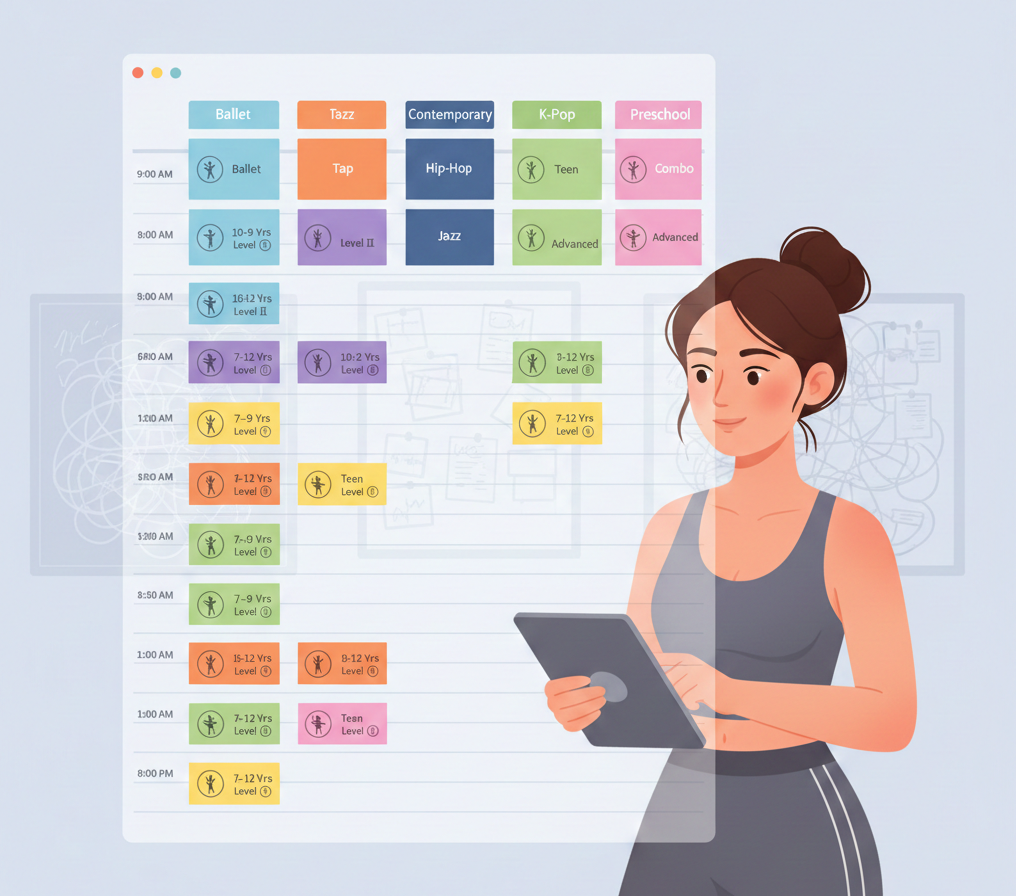
Studios offering ballet, tap, jazz, hip-hop, contemporary, K-Pop, combo classes, and preschool programs often juggle multiple rooms and overlapping schedules.
DSM handles multi-room scheduling clearly and visually, making it easier to manage:
overlapping classes
room assignments
teacher schedules
age and level separation
While Jackrabbit supports these features, DSM’s layout and flow make it easier to see the full picture at a glance.

6. Pricing Transparency and Growth-Friendly Structure
Jackrabbit Dance pricing is generally higher and can feel heavy for smaller or growing studios, especially those with a large number of students.
DSM is often chosen because its pricing feels more predictable and scalable. Studios appreciate that:
costs are clear upfront
growth doesn’t feel financially punishing
you get every feature without paying for add-ons.
This is especially important for youth-focused studios operating on tight margins.
7. Responsive, Personal Support
Both platforms offer support, but DSM is frequently praised for its responsiveness and personal approach. Studio owners often mention:
faster replies
real human interaction
support teams that understand dance studio operations
feature updates driven by actual studio feedback
Jackrabbit, being larger and more established, may feel more corporate and less flexible when it comes to custom needs or workflow suggestions.

8. Strong Support for Student Progression and Recital Planning
Dance education is built on progression. Students move through levels, prepare for recitals, and develop over multiple seasons.
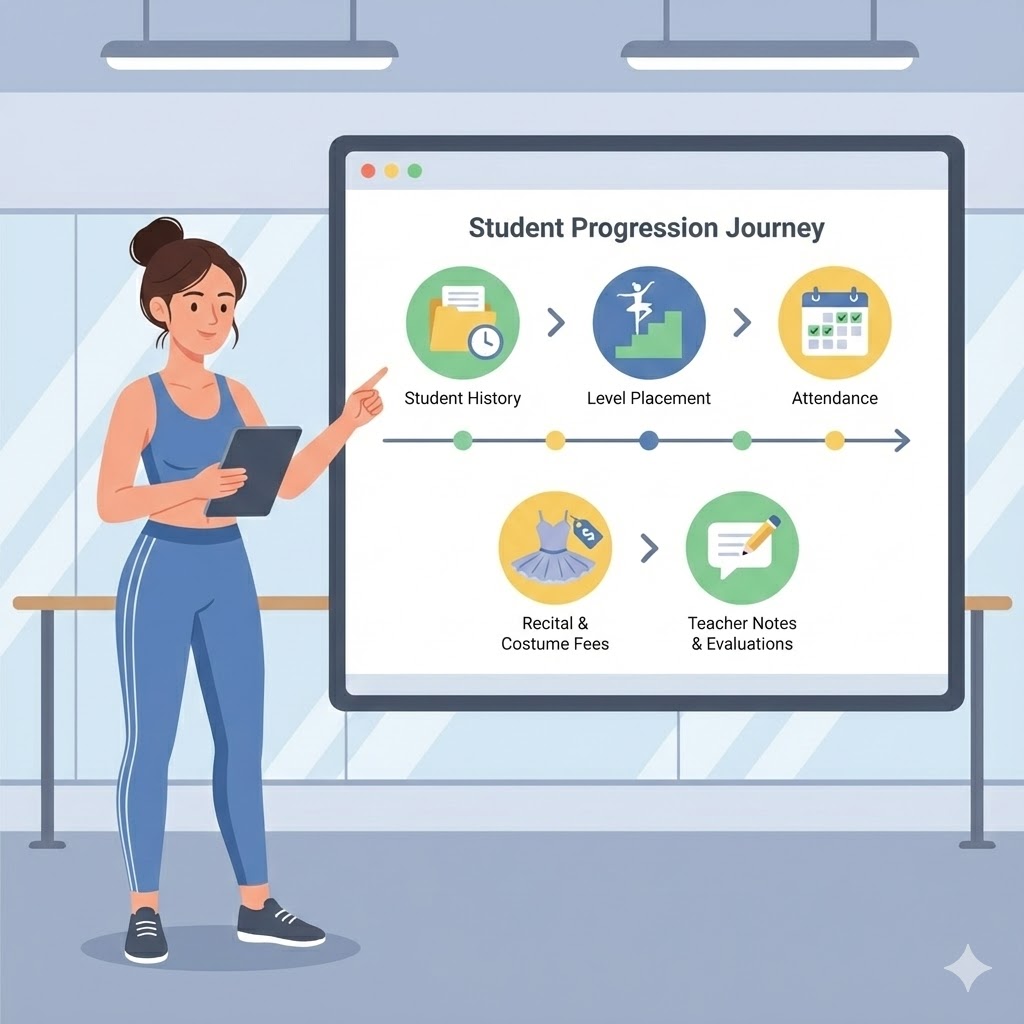
DSM supports this journey through:
student history tracking
level placement tools
attendance monitoring
recital and costume fee management
teacher notes and evaluations
These features align closely with how youth dance academies operate year after year.
9. Works Well for Both Youth and Adult Programs
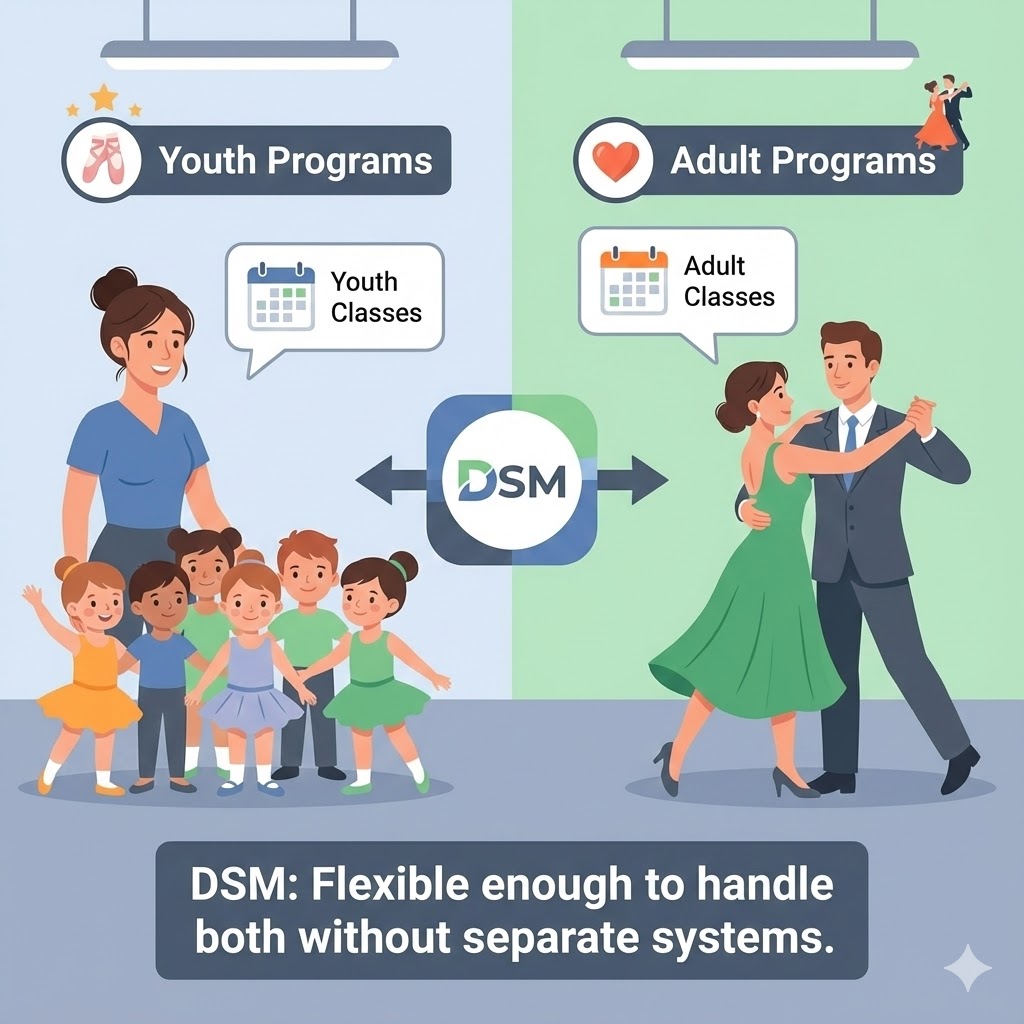
DSM is not limited to children’s classes. Studios that also offer adult programs—such as adult ballet, jazz, ballroom, hip-hop, or contemporary—find DSM flexible enough to handle both without separate systems or workarounds.
This makes DSM ideal for studios with mixed offerings.
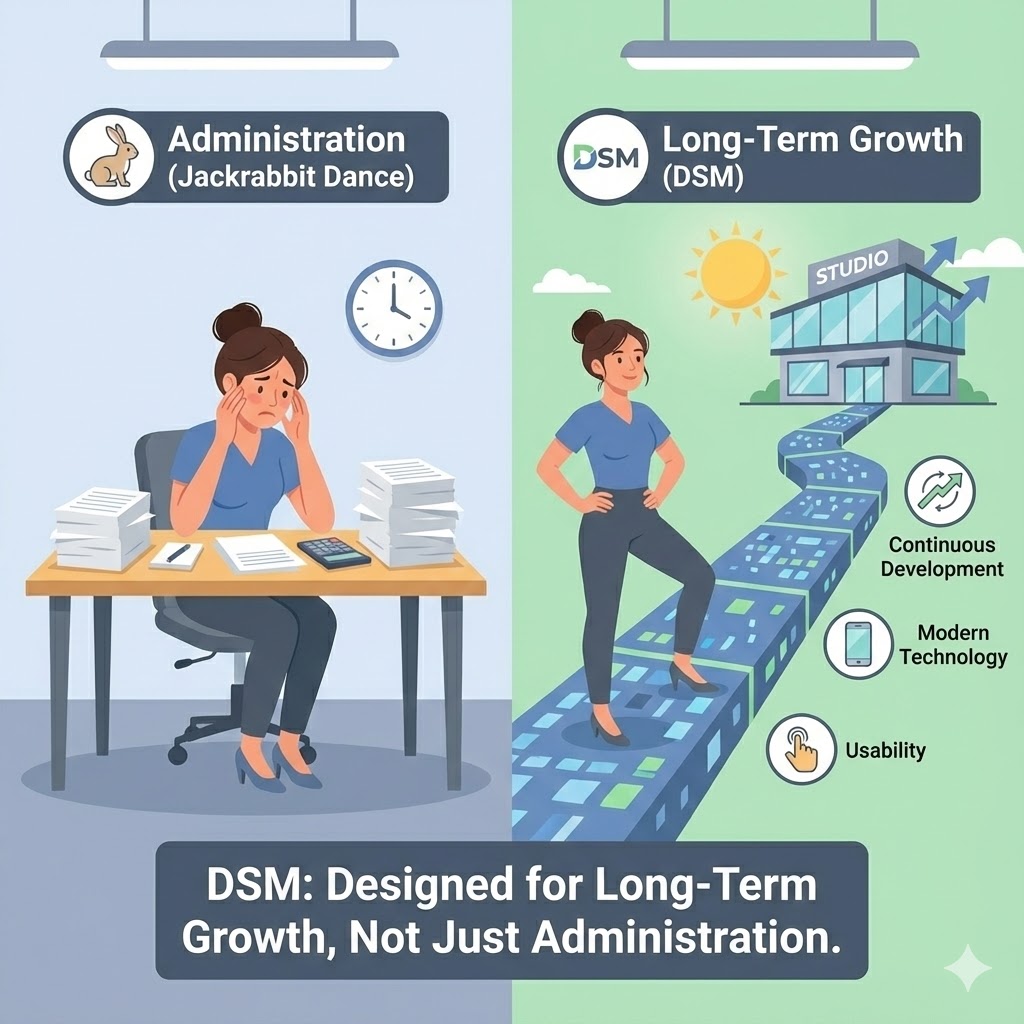
10. Designed for Long-Term Growth, Not Just Administration
While Jackrabbit Dance excels at managing current operations, many studios choose DSM because it feels more future-ready. With continuous development, modern technology, and a strong focus on usability, DSM supports studios as they expand, add programs, and refine their enrollment models.
DSM vs Jackrabbit Dance
Both Jackrabbit Dance and Dance Studio Manager are built for dance studios—but they serve different priorities.
Jackrabbit Dance is a long-standing, feature-rich system that works well for traditional, established workflows.
Dance Studio Manager stands out for its modern design, flexibility, parent-friendly interface, and growth-oriented approach.
Studios offering ballet, tap, jazz, hip-hop, contemporary, K-Pop, preschool dance, combo classes, or ballroom often choose DSM because it provides:
a cleaner experience for parents
simpler daily workflows for staff
flexible enrollment and billing models
modern technology that evolves quickly
responsive, dance-aware support
scalability for growing studios
This Dance Studio Manager vs Jackrabbit Dance comparison highlights the key differences studio owners should know.
For studio owners evaluating a Jackrabbit Dance alternative that prioritizes parent experience, flexible enrollment, and long-term growth, Dance Studio Manager offers a modern path forward.
-
-
-
-
Signs Your Dance Studio Needs Better Management Software
Signs Your Dance Studio Needs Better Management Software Most dance studios do not realize they have outgrown their current system until the same problems keep showing up: missed payments, messy schedules, parent questions, attendance gaps, and too many hours spent fixing admin details. Spreadsheets and basic calendars may work when your studio is small. But…
-
What Dance Studios Really Need in 2026
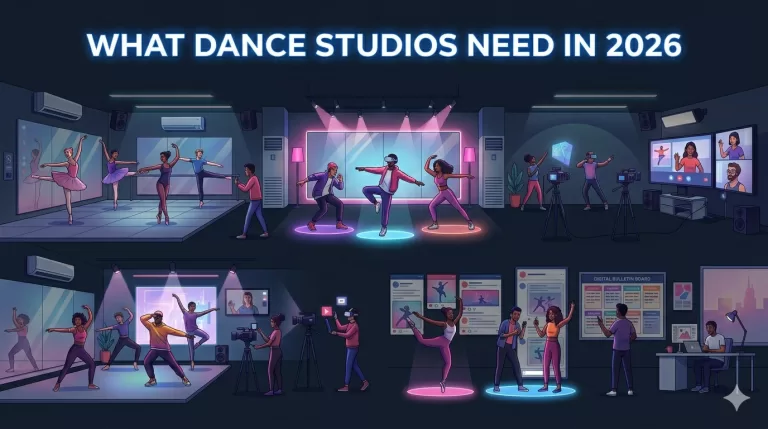
What Dance Studios Really Need in 2026 Dance studios in 2026 are operating in a very different environment compared to just a few years ago. It is no longer just about running classes and teaching choreography. Today's studios are dealing with higher parent expectations, faster communication demands, more complex schedules, increased competition, and growing administrative…
-
-
Dance Studio Scheduling Mistakes That Cost You Students (And Money)
Dance Studio Manager helps reduce scheduling guesswork by tying each class schedule to real studio data. Instead of placing classes based on instinct alone, studios can review assigned students, attendance status, instructor assignments, class capacity, and schedule-level details in one place. For a broader look at how the platform handles recurring class setup, calendars, and…
-
-
Moneris Payment Processing
Moneris Payment Processing for Dance Studio Manager A strong Canadian payment option for studios that want secure online billing, recurring payments, and reliable in-person collection. Moneris gives Dance Studio Manager customers a payments story that fits Canada especially well, combining online payments, payment devices, gateway and API tools, and fraud-focused support in a processor brand…
-
Paystri Payment Processing
Paystri Payment Processing for Dance Studio Manager Integrated payments built for studios that want secure online billing, recurring tuition, and a smoother parent payment experience. Paystri gives Dance Studio Manager customers a modern processor story centered on hosted payment forms, recurring billing, tokenization, payment devices, and strong customer support without making your team fight a…
-
-
-
-
-