Why Dance Studios Choose Dance Studio Manager Over Mindbody

A comprehensive comparison for ballet, tap, jazz, hip-hop, contemporary, K-Pop, and youth dance academies

Running a dance school is different from managing a gym, salon, or spa. Parents enroll their children because they want structure, stability, growth, and a safe, encouraging environment. Dance studios support that journey through:

year-long enrollment models

predictable monthly tuition

recital preparation and costume planning

leveled classes across multiple age groups

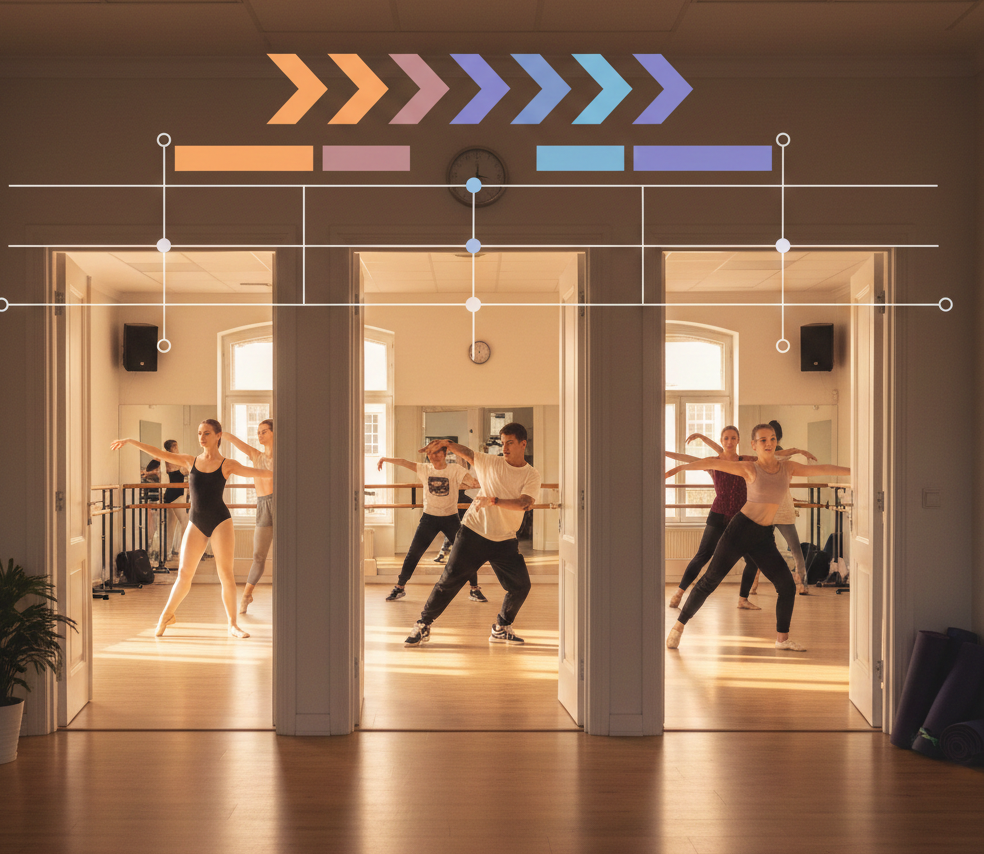
busy schedules in multiple rooms

parents managing two or more children

These realities require software that understands youth-based programs—not a corporate fitness system.

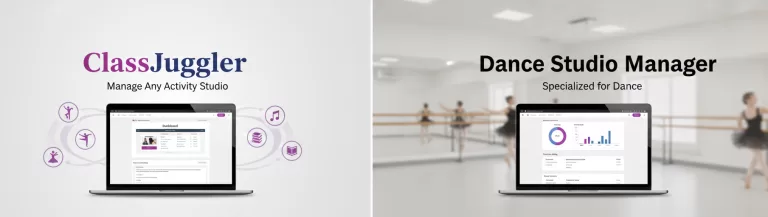
Eventually, most studios reach a point where they compare Mindbody with Dance Studio Manager (DSM). And more and more dance academies are choosing DSM because it reflects how real dance schools operate.

Below is a deep, SEO-optimized breakdown of why DSM is the preferred system for studios offering ballet, tap, jazz, hip-hop, contemporary, K-Pop, combo classes, and youth programs.

1. DSM Supports the Way Real Dance Schools Operate — Not a Marketplace Model

Mindbody is known for its massive ecosystem—ClassPass, public marketplaces, discount funnels, and cross-studio promotions. This business model works well for gyms and fitness centers that rely on walk-ins and monthly promotional offers.

But youth dance schools operate differently. Dance programs rely on:

structured, long-term enrollment

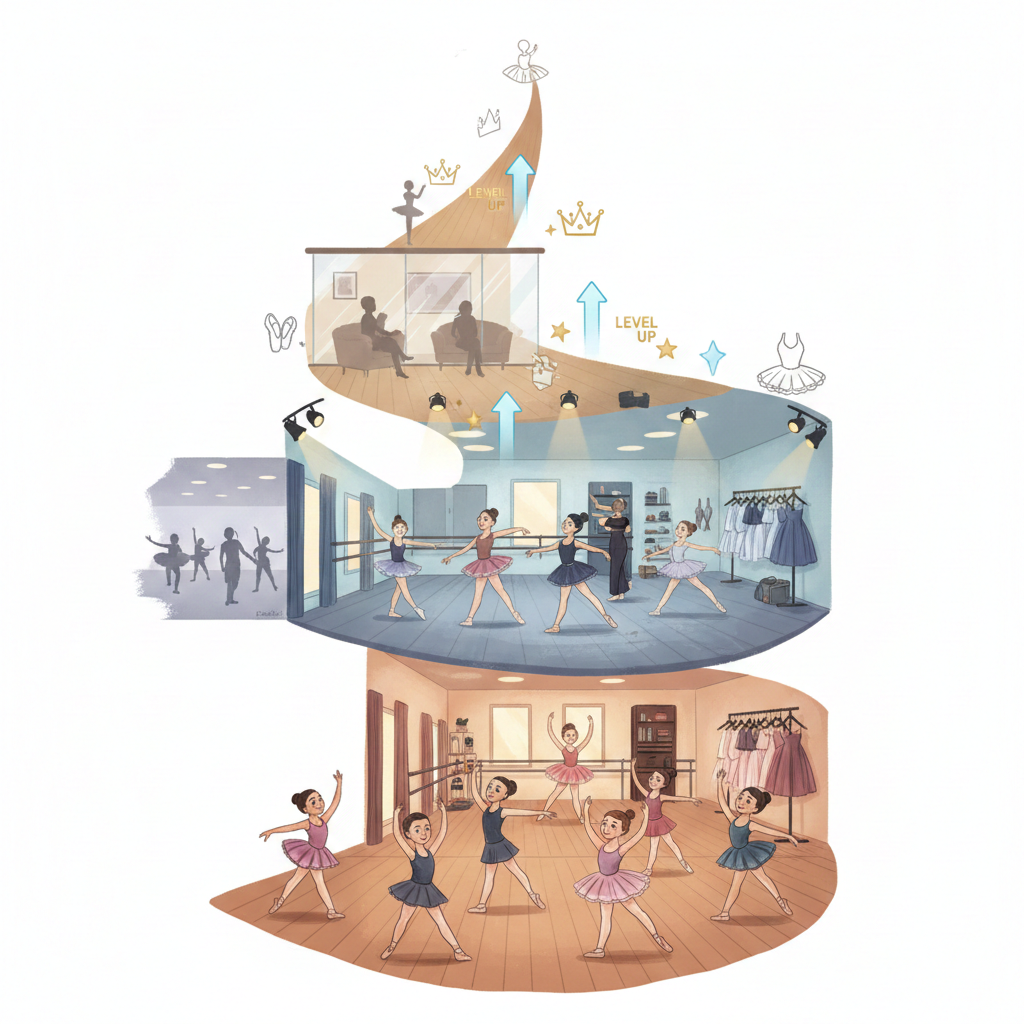
student progression over multiple years

parent relationships

full-price tuition

community-based consistency

Mindbody’s marketplace pushes users into a giant directory where they see dozens of other studios. It encourages discount shopping and deal-hopping—something dance studios try to avoid.

Dance Studio Manager does the opposite.
It is intentionally built for dance studios that want stability, commitment, and clear pricing. DSM does not discount your classes, does not push you into a marketplace, and does not show your clients another studio’s offers. Your business stays in your control.

2. Designed Specifically for Ballet, Tap, Jazz, Hip-Hop, Contemporary & Youth Dance Programs

Mindbody serves everyone: spas, boxing gyms, yoga studios, chiropractors, salons, and wellness clinics. Because of this wide scope, it can feel overwhelming and not aligned with how dance schools structure their classes.

DSM focuses entirely on dance education workflows, including:

age-based program design (Preschool → Teens)

student level progression

attendance tracking for children

parent + sibling management

recital preparation and costume fees

class placements and evaluations

multi-room scheduling with overlapping classes

monthly tuition billing and family discounts

These features exist because DSM’s entire foundation is based on how dance studios run their operations. Staff members can learn it quickly, teachers can view student data easily, and parents understand the interface without confusion.

3. Predictable Pricing Without Complicated Add-Ons

Many studios report that Mindbody’s pricing feels unclear and heavy. Extra fees for simple features, constant upsells, and rising base costs make budgeting difficult—especially for youth studios that rely on consistent monthly revenue.

DSM is the opposite:
The pricing structure is simple, stable, and predictable. This is especially valuable for:

young dance academies

family-oriented studios

recreational-level programs

studios with a large number of children’s classes

You know exactly what you’re paying every month, and you’re not charged more just because your studio grows.

4. A Clean, Modern Interface That Makes Sense to Parents

Parents need clarity when booking children’s classes. Many find Mindbody’s interface overwhelming because it’s built to serve multiple industries at once.

DSM offers a clean, parent-friendly portal that includes:

simple class selection

easy monthly payments

clear schedules

quick access to child and sibling details

an intuitive dashboard

This reduces parent confusion significantly and lowers front-desk support workload. When parents can self-navigate, your studio saves time and reduces errors.

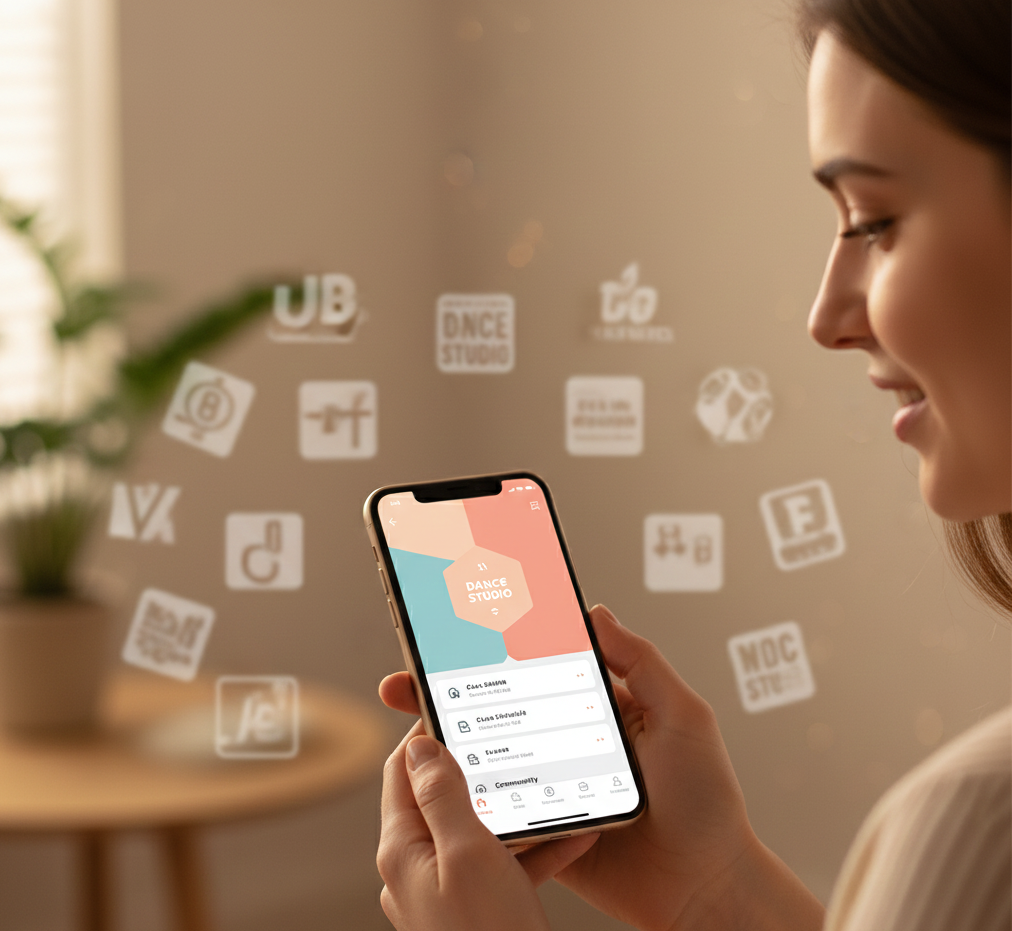
5. Families Stay Inside Your Brand — Not a Marketplace App

Mindbody strongly promotes its own app, which often shows:

competing dance studios

discount promotions

unrelated fitness options

This can distract or confuse parents who simply want to enroll their child in your studio.

DSM keeps families inside your ecosystem:

your website

your branding

your pricing

your programs

This strengthens loyalty and reinforces the studio community.

6. No Pressure to Discount Tuition or Run Promotions

ClassPass is built on discounting. But youth dance academies thrive on:

full-price monthly tuition

consistent student attendance

multi-year training

predictable classroom structure

Discount marketplaces attract short-term, non-committed drop-ins—not the kind of families who help build a strong, long-lasting program.

DSM supports healthy, stable enrollment through:

year-long and month-to-month billing

session-based enrollment

automatic payments

family pricing options

optional punch cards for recreational hip-hop/K-Pop programs

The system supports growth without pushing discounts or quick promotions.

7. Personalized Support from People Who Understand Dance Studios

One of DSM’s strongest advantages is its customer support. Studios often mention:

fast responses

friendly communication

direct support from dance-aware experts

ongoing improvements based on studio feedback

Mindbody, being a large corporation, can’t match this level of personal relationship or responsiveness.

DSM’s support is built around real dance schools and their day-to-day needs.

8. Flexible Enough for Both Youth Programs and Adult Classes

Although DSM is perfect for children’s programs, it also works smoothly for adult classes such as:

ballroom

adult tap/jazz

adult hip-hop or K-Pop

contemporary/modern

technique sessions

open-level workshops

This flexibility allows mixed-model studios to use one system without complications.

9. Modern Technology That Evolves Quickly

DSM-Next is built using modern frameworks designed for fast updates and smooth performance. This includes:

mobile-ready design

fast-loading admin tools

an improved API

continuous improvements

Studios get a cleaner, more reliable experience that can adapt quickly to new industry needs.

Mindbody’s system, built on an older foundation, can’t innovate at the same pace.

10. Supports Long-Term Progression, Not Drop-In Fitness Traffic

Dance schools thrive on long-term, structured training. Students progress through levels, prepare for recitals, build technique, and develop confidence over many years. These needs don’t align with a fitness app built around one-time visits or discount-driven attendance.

DSM supports:

leveling systems

recital planning

costume organization

teacher notes

student history

parent communication tools

This aligns perfectly with the values of youth academies and all-style studios.

DSM Fits Dance Schools Better Than Mindbody

If your studio teaches ballet, tap, jazz, hip-hop, contemporary, K-Pop, preschool dance, combo classes, or ballroom, Dance Studio Manager gives you a clearer, simpler, and more aligned system than Mindbody.

Mindbody is built for the entire fitness industry.
DSM is built for dance schools.

Studios choose DSM because it delivers:

a parent-friendly interface

predictable pricing

strong enrollment models

no discount pressure

dance-specific features

responsive support

stable, long-term design

branding that keeps families connected to your studio

For youth-focused studios, multi-style academies, and community-driven programs, DSM is simply the right fit.