Why Some Dances Disappear
Dance is one of the oldest forms of human expression. Before writing, before music recordings, before theaters, humans used movement to tell stories, celebrate life, and connect communities. Yet, despite being universal, many dances have vanished over time. Wars, colonization, shifting social norms, and modernization led to certain dances being forgotten or dramatically altered.
Lost dance styles are more than curiosities — they are cultural artifacts. They reveal how societies moved, how people celebrated, mourned, resisted, and connected. Studying these dances allows us to understand the history of human expression, offering context to the styles that survive today.
In this article, we explore lost and nearly extinct dances from around the world, uncovering their origins, purpose, and lasting impact on modern dance.
What Makes a Dance “Lost”?
A dance becomes “lost” when:
It is no longer actively practiced
Its original choreography or cultural meaning is forgotten
There are no living practitioners or accurate records
Scholars classify lost dances into three categories:
|
Category |
Description |
|
Extinct |
Completely gone; only descriptions and images remains |
|
Transformed |
Survives in modified or stylized form |
|
Erased/Surpressed |
Banned due to colonization, religion, politics, or social pressure |
Dances are lost for various reasons: modernization, suppression, war, or cultural shifts. Sometimes dances survive only as stylized performances, disconnected from their original function.
Lost Dance Styles
1. The Pyrrhic Dance (Ancient Greece)
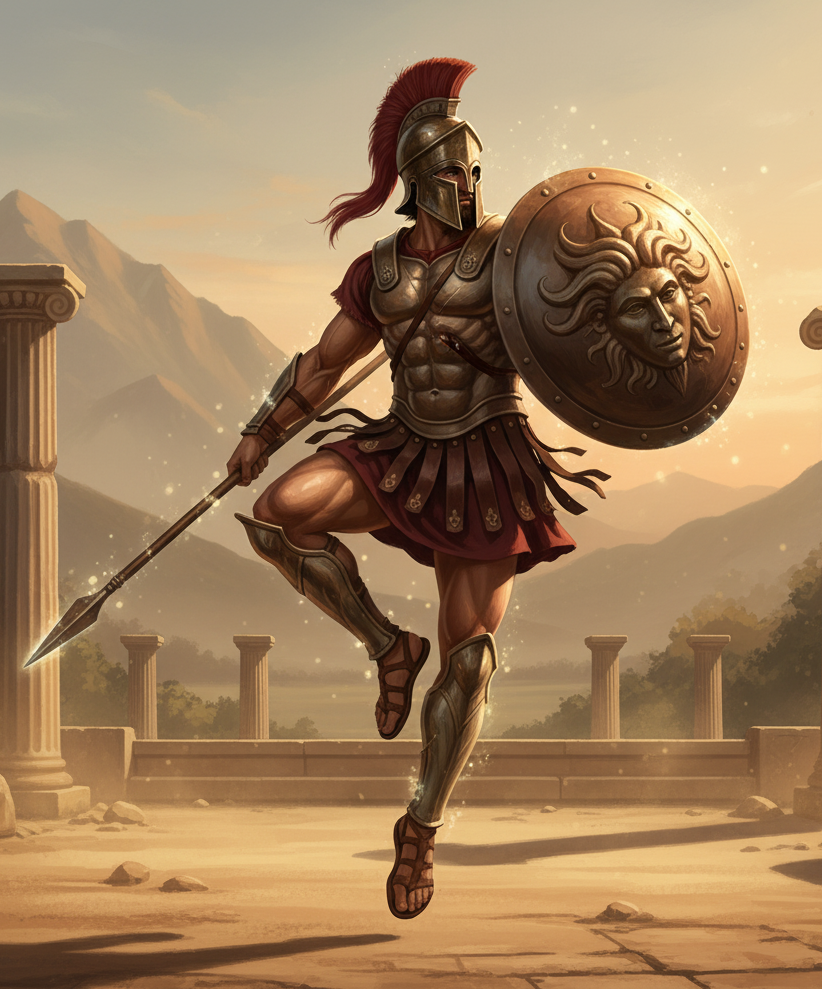
The Pyrrhic dance, or Pyrrhiche, was a military war dance performed by Greek soldiers. It involved shields, spears, jumps, and defensive stances designed to train agility, coordination, and strength. Unlike theatrical dances, it was functional — preparing warriors for combat while simultaneously performing a ritual.
Why it disappeared:
As Greek city-states declined and warfare evolved, the dance lost its practical purpose. Ritualistic military exercises became obsolete, and the Pyrrhic survived only in fragments of historical texts.
Why it mattered:
The Pyrrhic demonstrates that dance historically served practical and ceremonial functions, not just entertainment.
2. Court Masque Dance (European Royal Courts, 16th–17th Century)
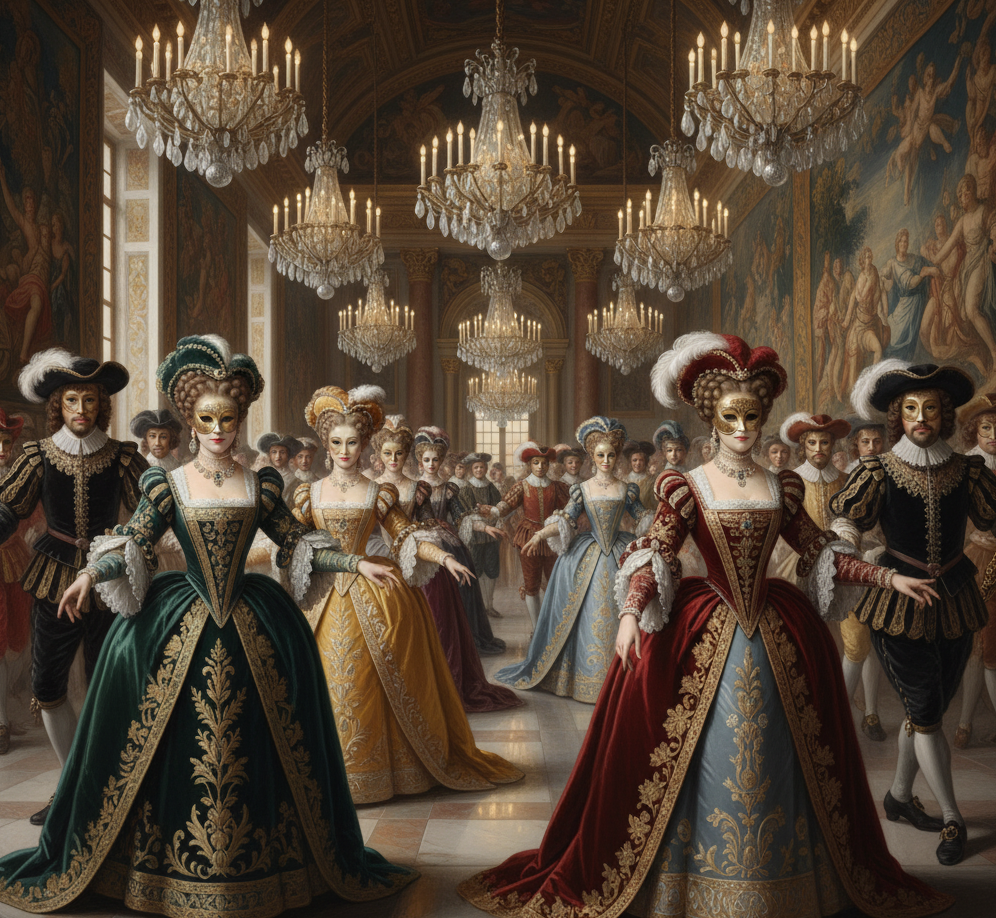
Court masque dances were elaborate performances combining poetry, music, and choreography, performed for kings and nobles. Participants, often aristocrats rather than trained dancers, wore ornate costumes and masks. The movements were precise, slow, and highly symbolic, reflecting social hierarchy.
Why it disappeared:
Political upheavals, the decline of monarchies, and the rise of public entertainment like social balls shifted dance from courtly ritual to accessible recreation.
Why it mattered:
Court masque laid the foundation for modern performance dance and ballet, demonstrating the evolution from ritualized movement to theatrical storytelling.
3. The Original Gavotte (France, 1600s)
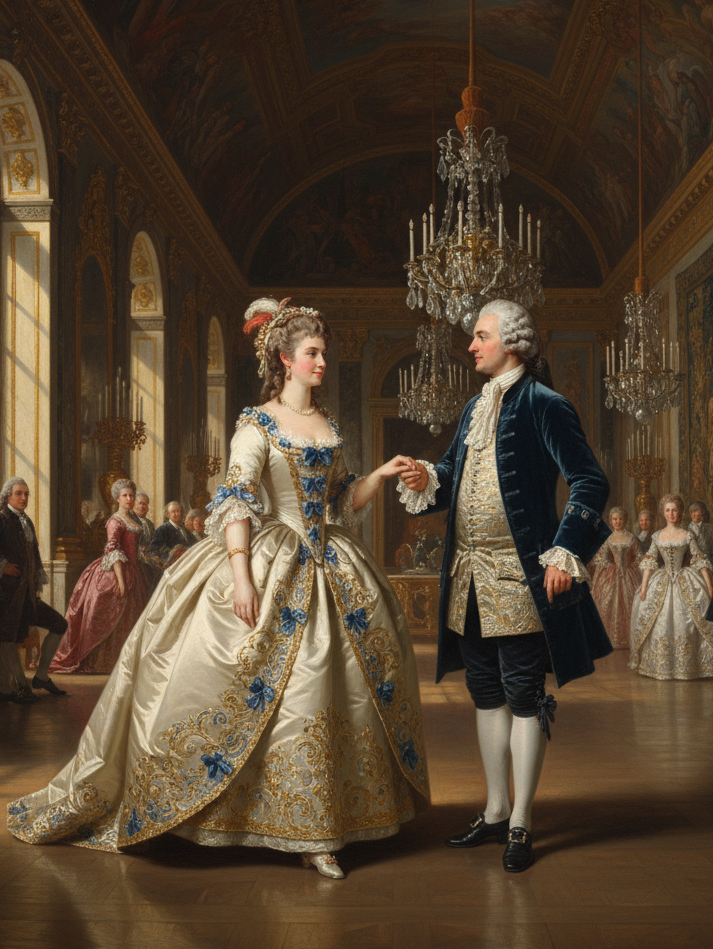
The early Gavotte was a ceremonial dance with moderate tempo and small steps, performed by couples in noble circles. It symbolized refinement and social grace.
Why it disappeared:
As ballet codified steps and rhythm, the Gavotte evolved into a stylized form, losing its authentic folk charm and ceremonial meaning.
Why it mattered:
It highlights how dances can survive in altered forms, leaving the original lost to history.
4. Milonga (Early Tango, Argentina / Uruguay)
Milonga, the predecessor of tango, was playful, improvised, and social, danced in working-class communities. Footwork was fast, witty, and expressive, reflecting community life.
Why it disappeared:
As tango became formalized for European ballrooms, Milonga’s improvisational style was largely replaced by structured patterns.
Why it mattered:
Milonga preserves the rebellious, street-style roots of tango, showing dance as cultural resistance and expression.
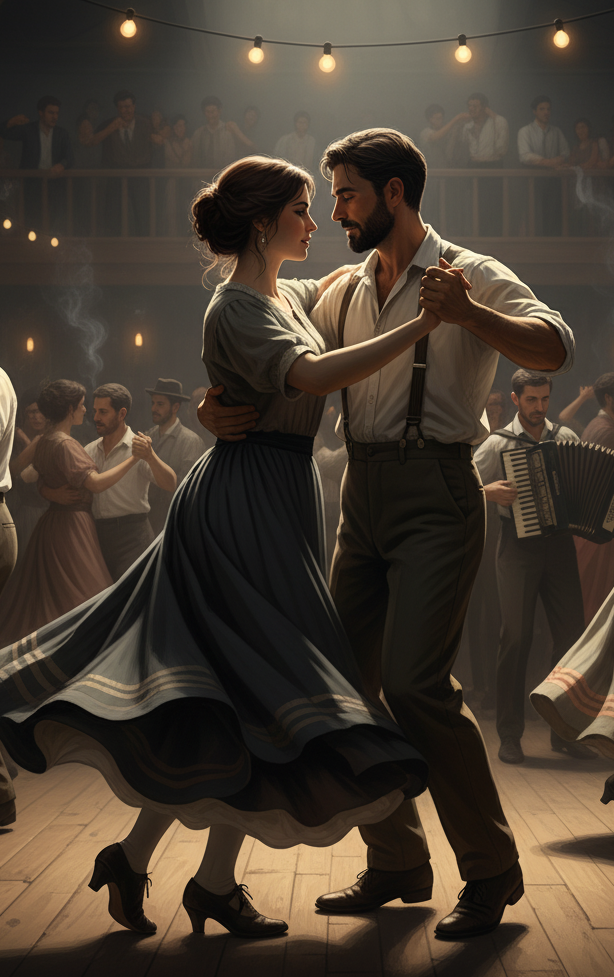

5. Sailor’s Hornpipe (England, 18th Century)
This dance was a functional and entertaining naval exercise, with movements mimicking climbing ropes, hauling sails, and steering ships. Sailors performed it to maintain agility during long voyages.
Why it disappeared:
Naval modernization and mechanization made these skills unnecessary, and the dance faded from practice.
Why it mattered:
The hornpipe is a historical example of dance as occupational fitness.
6. The Cakewalk (African American communities, 19th Century)
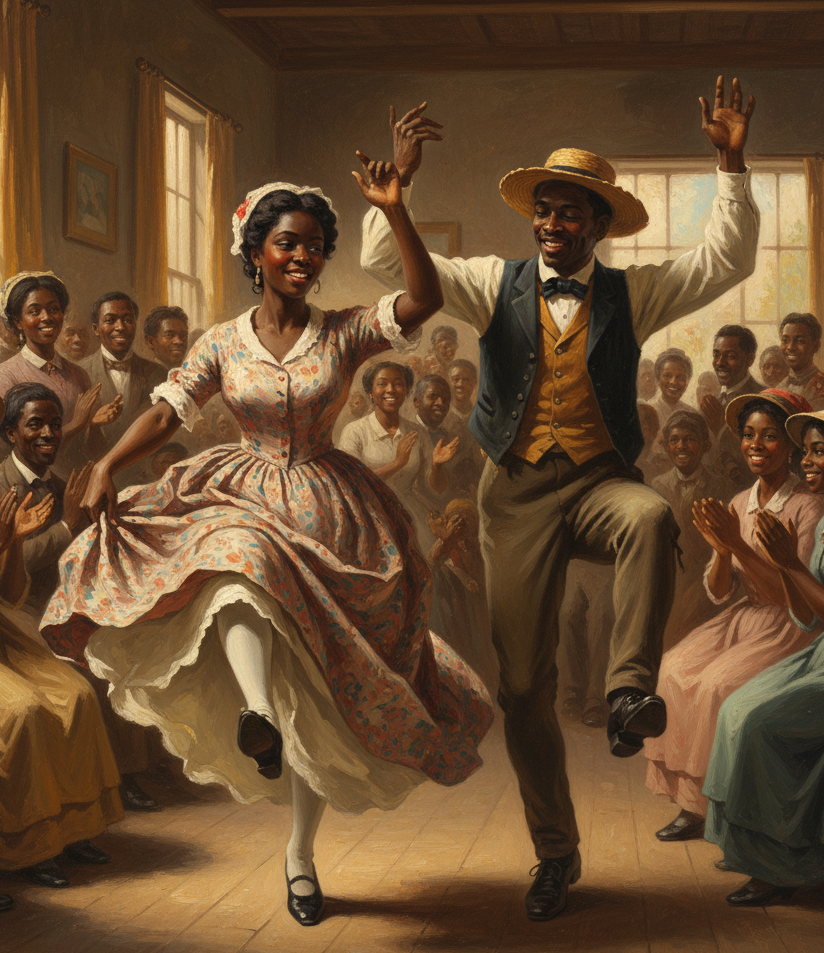
The Cakewalk was a satirical dance created by enslaved Africans to mock European ballroom etiquette. Despite its origins, it became popularized and commercialized, losing its subversive meaning.
Why it disappeared:
Minstrel shows and stage performances distorted its context, erasing its role as a form of cultural resistance.
Why it mattered:
It is an early example of dance as social commentary and resistance.
7. Khon (Thailand, Original Ritual Form)
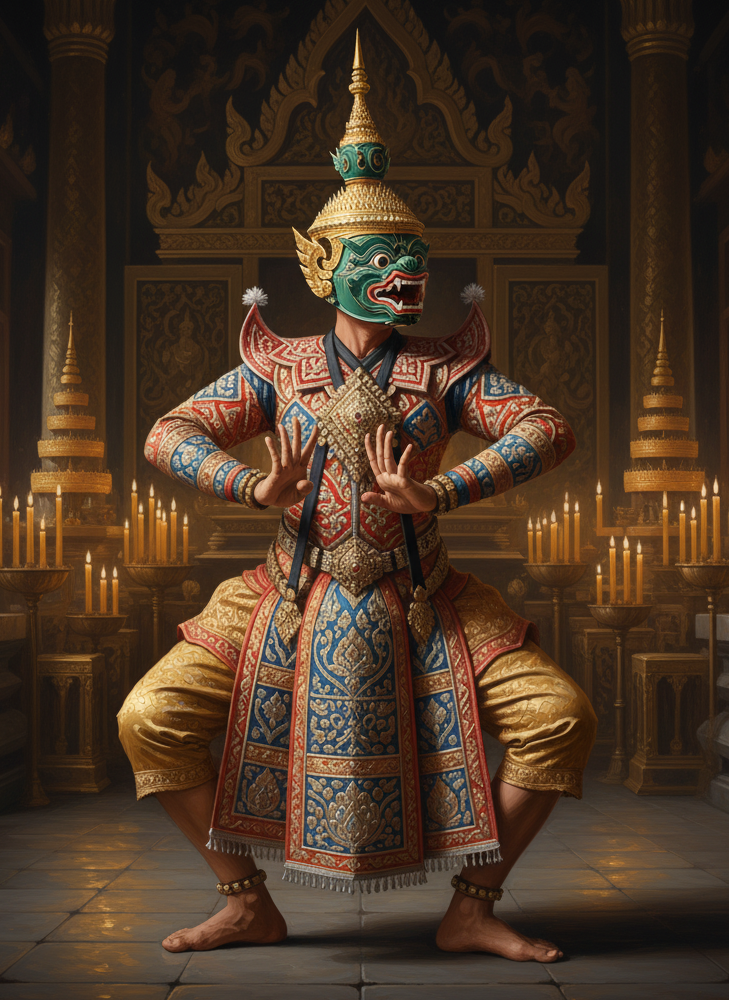
Khon is a masked dance-drama traditionally performed in temples. The original form included strict ceremonial rules and spiritual significance.
Why it disappeared:
Ritual formats were replaced by theatrical versions for entertainment, losing much of the sacred meaning.
Why it mattered:
It demonstrates the intersection of dance and spirituality in cultural history.
8. Hula Kahiko (Ancient Hawaii)
Hula Kahiko combined chant, storytelling, and movement. It functioned as an oral archive, preserving history, genealogy, and mythology.
Why it disappeared:
Colonization and missionary bans suppressed many practices. Today’s hula retains performance aspects but has lost some original chants and ritual contexts.
Why it mattered:
Shows dance as historical storytelling, not merely entertainment.

9. Branle (France, Renaissance)
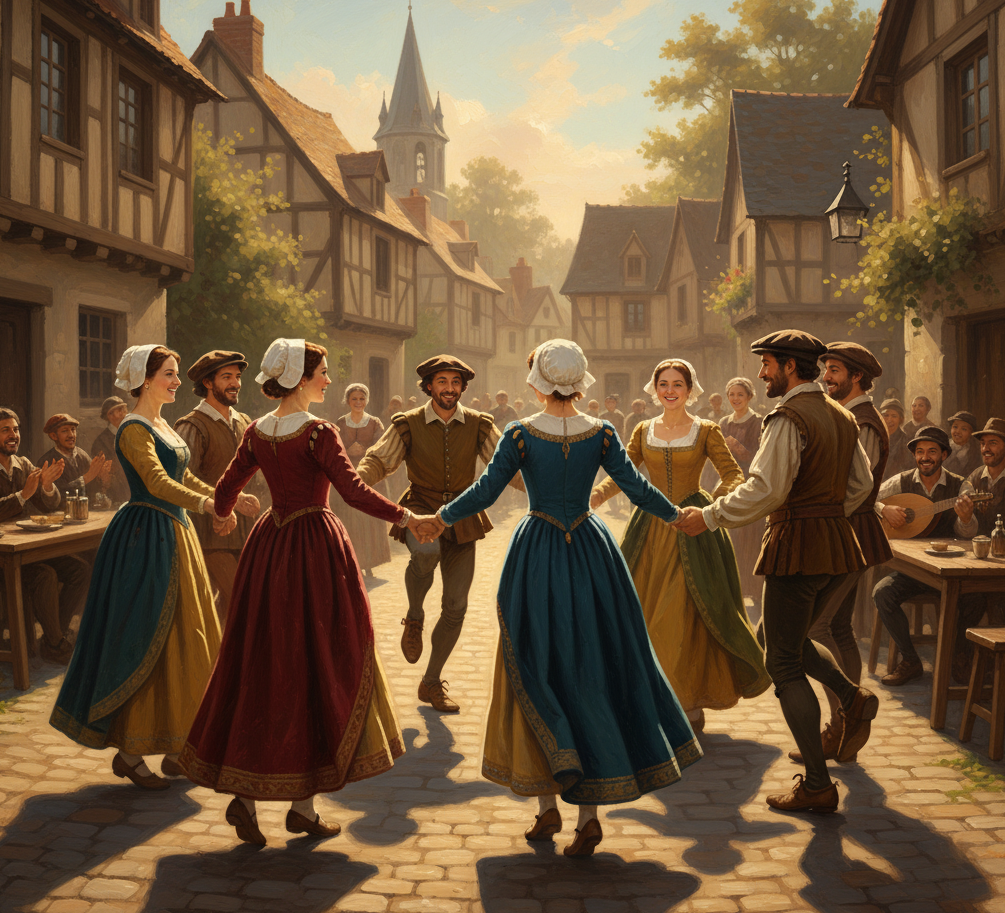
A circle dance, the Branle was popular in French villages and courts. Steps were simple but rhythmic, emphasizing community participation.
Why it disappeared:
It was replaced by more formal ballroom dances and fell out of favor as music and social structures changed.
Why it mattered:
An early example of dance fostering social cohesion, influencing group choreography in folk traditions.
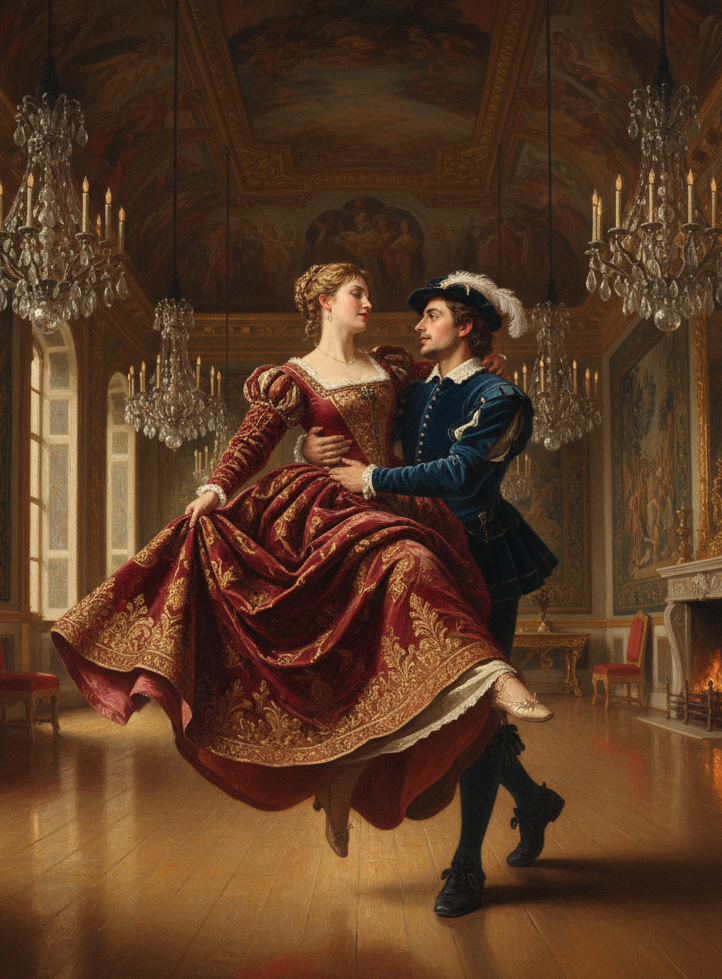
10. Volta (Renaissance Europe)
The Volta was a daring partner dance featuring lifts and spins, performed by aristocrats. It symbolized romantic courtship and technical prowess.
Why it disappeared:
Criticized for being risqué, it was banned in some courts and eventually supplanted by safer social dances.
Why it mattered:
It influenced ballet partnering techniques and modern lifts in ballroom and stage dance.
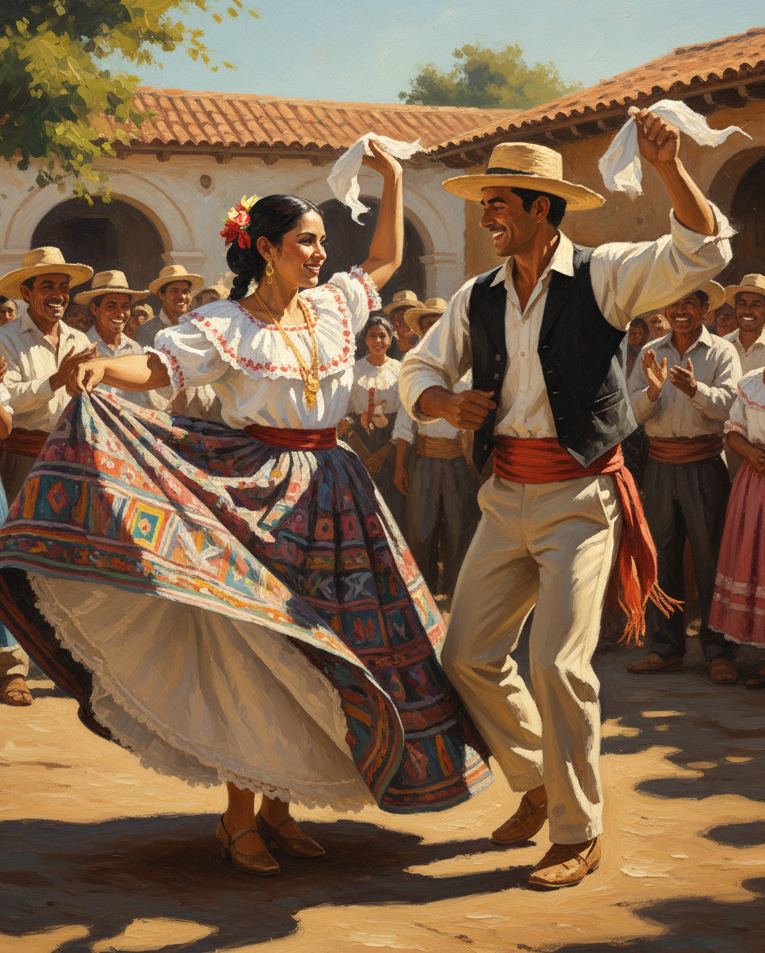
11. Peruvian Marinera (Colonial Era)
The Marinera combined improvised footwork and flirtation to simulate courtship. Its authentic rural forms are largely forgotten, surviving only in festival stylizations.
Why it disappeared:
Colonial social changes and commercialization altered its original communal and playful character.
Why it mattered:
It shows how dance embodies cultural narratives of love, courtship, and identity.
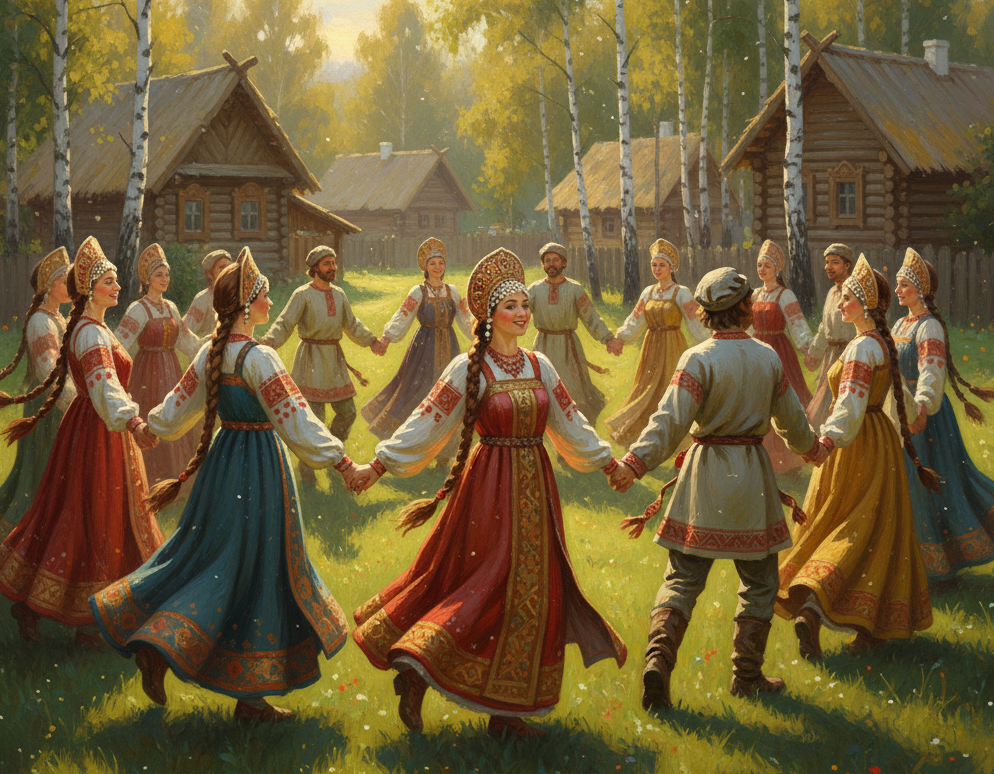
12. Russian Khorovod (Medieval Folk Circle Dance)
The Khorovod was a ritual circle dance performed in villages to honor the seasons and communal events.
Why it disappeared:
Industrialization and urban migration weakened rural traditions, leaving the dance only in folkloric performances.
Why it mattered:
It illustrates dance as a vehicle for cultural continuity and seasonal ritual.
Why Lost Dances Are Important Today
Cultural Memory
Lost dances hold stories, beliefs, and values of past civilizations.
Dance Education
Understanding history deepens appreciation, informs choreography, and enhances student engagement.
Preservation
Studio owners can preserve culture by including historical context in classes.
Innovation
Modern choreography often draws inspiration from ancient, forgotten forms.
Each lost dance teaches us that movement is not just physical; it is history, identity, and expression.
Dance is more than steps — it is the heartbeat of human culture. When a dance disappears, we lose a piece of our collective memory. From Greek war dances to Hawaiian hula, each movement carried meaning, ritual, and storytelling.
For educators and studio owners, teaching dance history is as important as teaching technique. It cultivates respect, creativity, and cultural awareness. Lost dances may be gone from everyday practice, but they continue to inspire, reminding us that every movement is part of our human story.
-
-
-
-
Signs Your Dance Studio Needs Better Management Software
Signs Your Dance Studio Needs Better Management Software Most dance studios do not realize they have outgrown their current system until the same problems keep showing up: missed payments, messy schedules, parent questions, attendance gaps, and too many hours spent fixing admin details. Spreadsheets and basic calendars may work when your studio is small. But…
-
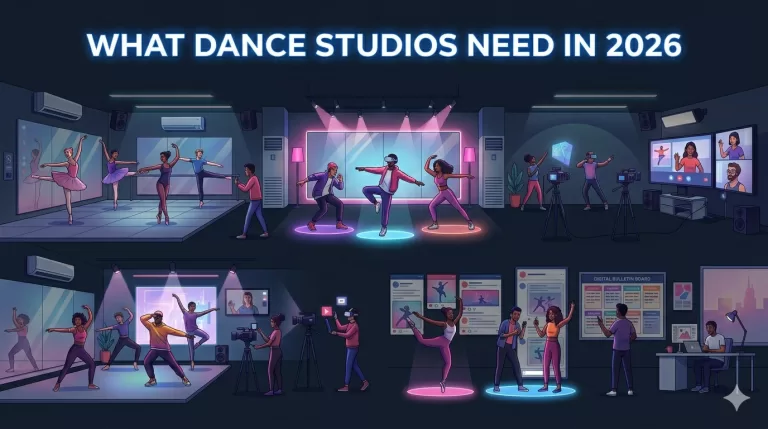
What Dance Studios Really Need in 2026
What Dance Studios Really Need in 2026 Dance studios in 2026 are operating in a very different environment compared to just a few years ago. It is no longer just about running classes and teaching choreography. Today's studios are dealing with higher parent expectations, faster communication demands, more complex schedules, increased competition, and growing administrative…
-
-
Dance Studio Scheduling Mistakes That Cost You Students (And Money)
Dance Studio Manager helps reduce scheduling guesswork by tying each class schedule to real studio data. Instead of placing classes based on instinct alone, studios can review assigned students, attendance status, instructor assignments, class capacity, and schedule-level details in one place. For a broader look at how the platform handles recurring class setup, calendars, and…
-
-
Moneris Payment Processing
Moneris Payment Processing for Dance Studio Manager A strong Canadian payment option for studios that want secure online billing, recurring payments, and reliable in-person collection. Moneris gives Dance Studio Manager customers a payments story that fits Canada especially well, combining online payments, payment devices, gateway and API tools, and fraud-focused support in a processor brand…
-
Paystri Payment Processing
Paystri Payment Processing for Dance Studio Manager Integrated payments built for studios that want secure online billing, recurring tuition, and a smoother parent payment experience. Paystri gives Dance Studio Manager customers a modern processor story centered on hosted payment forms, recurring billing, tokenization, payment devices, and strong customer support without making your team fight a…
-
-
-
-