Dance Studio Policies Every Owner Should Have (And Why They Matter)
Great dance studios do not run on talent alone. They also run on clear expectations, consistency, and systems that keep everything organized. That is where strong dance studio policies become essential.
Many studio problems begin when rules are unclear. Parents may misunderstand fees, teachers may handle situations differently, and students may become confused about expectations. However, clear policies reduce friction and help everyone stay aligned.
This guide covers the most important dance studio policies every owner should have—and why they matter for long-term success.
Why Dance Studio Policies Matter
Policies are not just rules. They protect the experience of your students, families, and staff.
Strong policies help studios:
reduce misunderstandings
save time answering repeated questions
create fairness and consistency
improve professionalism
support growth as enrollment increases
Because of this, policies often become more important as a studio gets bigger.
Essential Dance Studio Policies at a Glance
|
Policy Type |
Why It Matters |
Risk Without It |
|---|---|---|
|
Tuition & Payments |
Protects revenue |
Late or missed payments |
|
Attendance |
Keeps progress consistent |
Frequent absences |
|
Make-Up Classes |
Creates fairness |
Parent complaints |
|
Dress Code |
Maintains standards |
Distraction / confusion |
|
Behavior & Safety |
Protects students |
Discipline issues |
|
Recitals & Events |
Reduces stress |
Last-minute chaos |
|
Communication |
Builds trust |
Misunderstandings |
1. Tuition and Payment Policies
Money issues create many avoidable conflicts. Therefore, your payment terms should be simple and visible.
due dates
accepted payment methods
late fees
refund terms
auto-pay details if offered
Include:
Why It Matters
When fees are clear upfront, trust improves and billing problems decrease.
2. Attendance and Absence Policies
Students progress best when attendance is consistent. At the same time, families need to know how absences are handled.
Your policy may explain:
how to report absences
tardiness expectations
excessive absences
impact on performances or exams
Why It Matters
Clear attendance expectations support learning and fairness.
3. Make-Up Class Policies
This is one of the most common parent questions. Because of this, every studio should define it clearly.
Examples:
whether make-up classes are allowed
how many per term
notice required
expiration dates
Why It Matters
Without a policy, staff often make inconsistent decisions.
4. Dress Code Policies
A dress code helps classes stay focused and professional.
You may include:
required shoes by style
hair requirements
approved dancewear colors
jewelry restrictions
Why It Matters
Consistency improves safety, movement visibility, and discipline.
5. Behavior and Safety Policies
Every studio should define respectful behavior for students, families, and staff.
This may include:
bullying or harassment rules
parent waiting area expectations
supervision procedures
injury reporting
Why It Matters
A safe and respectful culture protects your reputation and your students.
6. Recital and Competition Policies
Events create excitement—but also confusion if expectations are unclear.
Cover topics such as:
costume deadlines
attendance requirements
backstage rules
ticket policies
rehearsal expectations
Why It Matters
Clear event policies reduce stress during the busiest season.
7. Communication Policies
Families want updates quickly and clearly. Therefore, studios should define how communication works.
Examples:
official channels (email, app, SMS)
response time expectations
emergency updates
weather closure notices
Why It Matters
Poor communication is one of the fastest ways to lose trust.
8. Staff Policies and Professional Standards
Policies should also apply internally, not just to families.
This may include:
punctuality
substitute procedures
parent communication standards
social media expectations
class preparation standards
Why It Matters
Strong internal policies improve consistency across your teaching team.
How to Keep Policies Organized
As your studio grows, managing policies manually can become difficult. Updates get missed, messages become scattered, and families may claim they never received information.
Because of this, many studios use systems like Dance Studio Manager to centralize communication, billing rules, registration forms, and policy acknowledgments.
This creates a more professional and organized parent experience.
Common Policy Mistakes to Avoid
Even good studios run into issues when policies are weak or outdated.
Watch out for:
policies that are too vague
hidden fees not disclosed early
rules enforced inconsistently
outdated handbooks
too many exceptions without documentation
Consistency matters as much as the rule itself.
Strong dance studio policies are not about being strict. They are about being clear, fair, and consistent.
When expectations are easy to understand, parents feel informed, staff feel supported, and students can focus on learning. Over time, that structure becomes a major advantage for any growing studio.
Frequently Asked Questions (FAQ)
Dance studio policies are written rules covering tuition, attendance, behavior, dress code, events, and communication.
They reduce misunderstandings, improve professionalism, and create consistency for students, parents, and staff.
Most studios should review policies annually or before a new season begins.
Yes. Having families acknowledge policies can reduce future disputes and confusion.
-
-
-
-
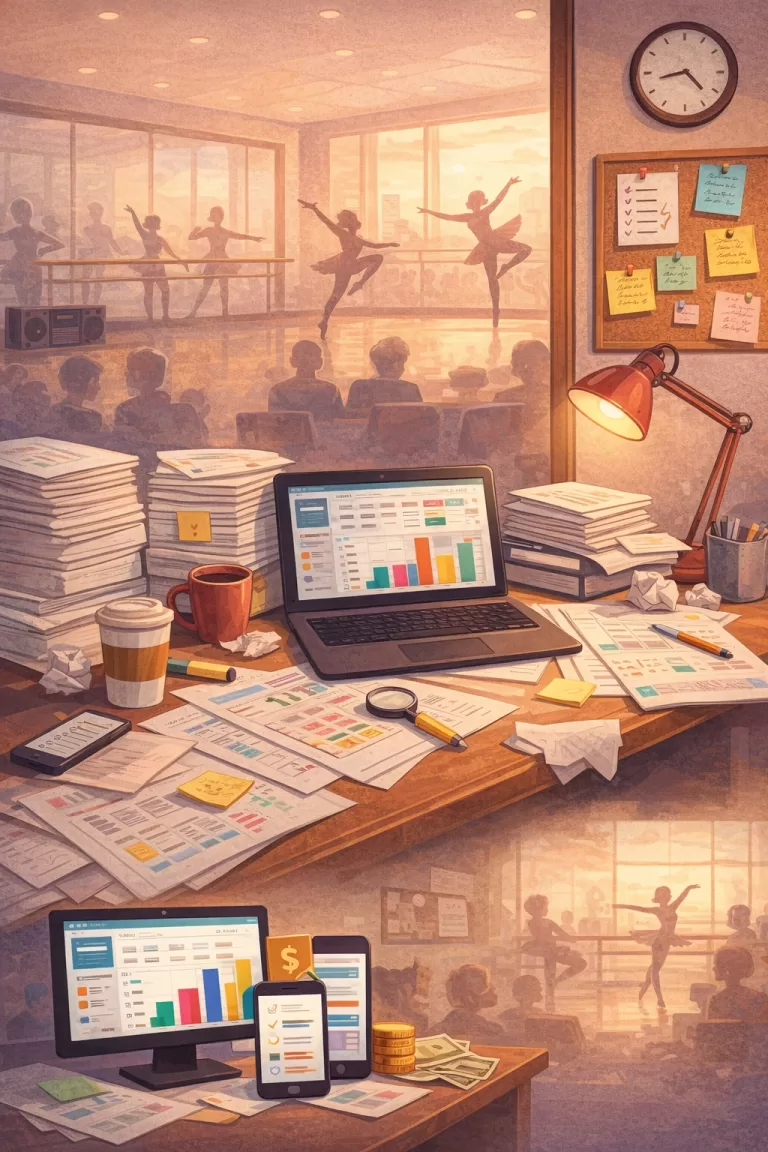
Signs Your Dance Studio Needs Better Management Software
Signs Your Dance Studio Needs Better Management Software Most dance studios do not realize they have outgrown their current system until the same problems keep showing up: missed payments, messy schedules, parent questions, attendance gaps, and too many hours spent fixing admin details. Spreadsheets and basic calendars may work when your studio is small. But…
-
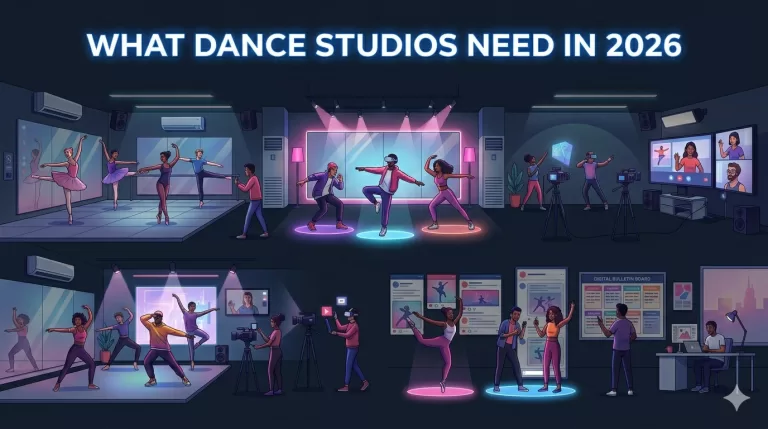
What Dance Studios Really Need in 2026
What Dance Studios Really Need in 2026 Dance studios in 2026 are operating in a very different environment compared to just a few years ago. It is no longer just about running classes and teaching choreography. Today's studios are dealing with higher parent expectations, faster communication demands, more complex schedules, increased competition, and growing administrative…
-
-
Dance Studio Scheduling Mistakes That Cost You Students (And Money)
Dance Studio Manager helps reduce scheduling guesswork by tying each class schedule to real studio data. Instead of placing classes based on instinct alone, studios can review assigned students, attendance status, instructor assignments, class capacity, and schedule-level details in one place. For a broader look at how the platform handles recurring class setup, calendars, and…
-
-
Moneris Payment Processing
Moneris Payment Processing for Dance Studio Manager A strong Canadian payment option for studios that want secure online billing, recurring payments, and reliable in-person collection. Moneris gives Dance Studio Manager customers a payments story that fits Canada especially well, combining online payments, payment devices, gateway and API tools, and fraud-focused support in a processor brand…
-
Paystri Payment Processing
Paystri Payment Processing for Dance Studio Manager Integrated payments built for studios that want secure online billing, recurring tuition, and a smoother parent payment experience. Paystri gives Dance Studio Manager customers a modern processor story centered on hosted payment forms, recurring billing, tokenization, payment devices, and strong customer support without making your team fight a…
-
-
-
-
-
-
-
-
-
-