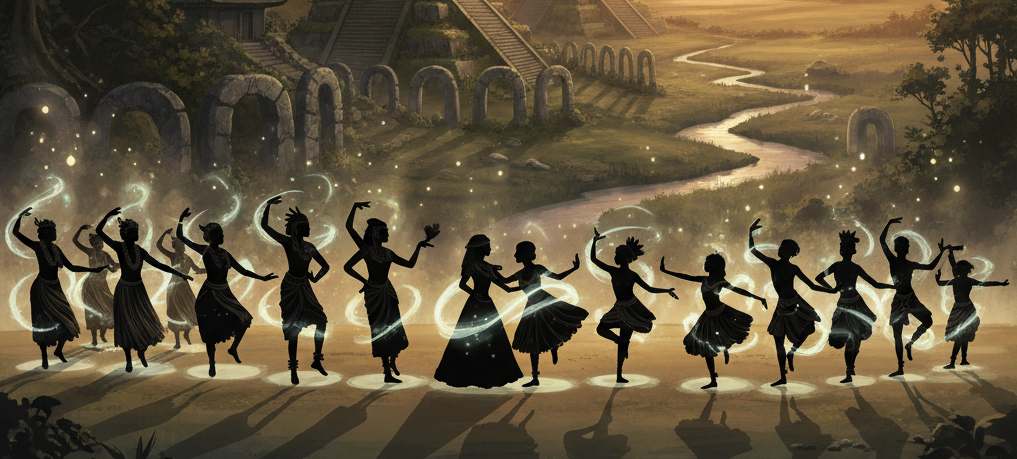
Why Some Dances Disappear
Dance is one of the oldest forms of human expression. Before writing, before music recordings, before theaters, humans used movement to tell stories, celebrate life, and connect communities. Yet, despite being universal, many dances have vanished over time. Wars, colonization, shifting social norms, and modernization led to certain dances being forgotten or dramatically altered.
Lost dance styles are more than curiosities — they are cultural artifacts. They reveal how societies moved, how people celebrated, mourned, resisted, and connected. Studying these dances allows us to understand the history of human expression, offering context to the styles that survive today.
In this article, we explore lost and nearly extinct dances from around the world, uncovering their origins, purpose, and lasting impact on modern dance.
What Makes a Dance “Lost”?
A dance becomes "lost" when:
It is no longer actively practiced
Its original choreography or cultural meaning is forgotten
There are no living practitioners or accurate records
Scholars classify lost dances into three categories:
Category
Description
Extinct
Completely gone; only descriptions and images remains
Transformed
Survives in modified or stylized form
Erased/Surpressed
Banned due to colonization, religion, politics, or social pressure