Why Pricing Dance Classes Is So Challenging?
Pricing is not just about covering costs. It also affects:
In many cases, studios underprice out of fear. However, this can lead to burnout and financial instability over time.
1. Understand Your Costs First
Before setting prices, you need to know your numbers.
This includes:
Because of this, your pricing should always be based on sustainability—not guesswork.
2. Research Local Market Rates
Next, look at what other studios in your area are charging.
However, do not copy them blindly.
Instead:
In many cases, pricing slightly above average can position your studio as higher value—if you deliver the experience.
3. Avoid Underpricing (Common Mistake)
Many studio owners think lower prices attract more students. However, this often backfires.
Low pricing can:
As a result, underpricing often leads to higher turnover.
4. Offer Clear Pricing Structures
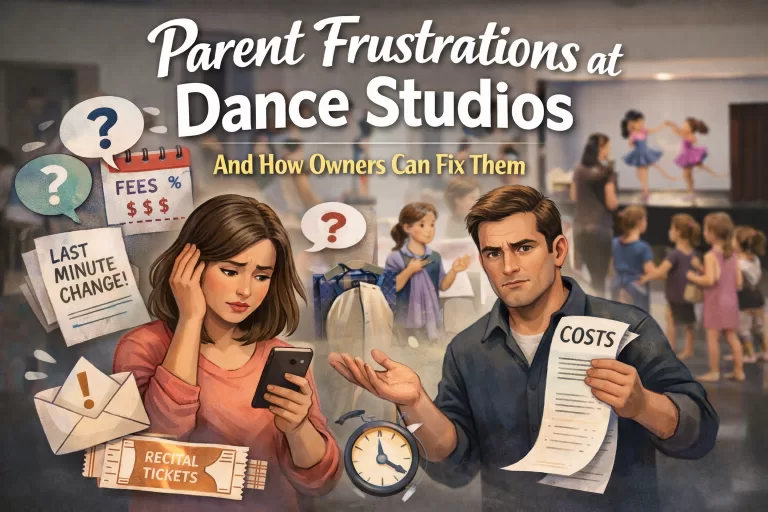
Confusing pricing drives parents away.
Instead, keep it simple:
In addition, clearly explain what is included (recitals, costumes, etc.).
5. Provide Flexible Options
Not all families have the same budget.
Because of this, consider:
This helps make your studio more accessible without lowering your main pricing.
6. Communicate Value, Not Just Price
Parents are not just paying for classes—they are paying for:
Therefore, your messaging should highlight value, not just cost.
7. Stay Organized with Pricing and Billing
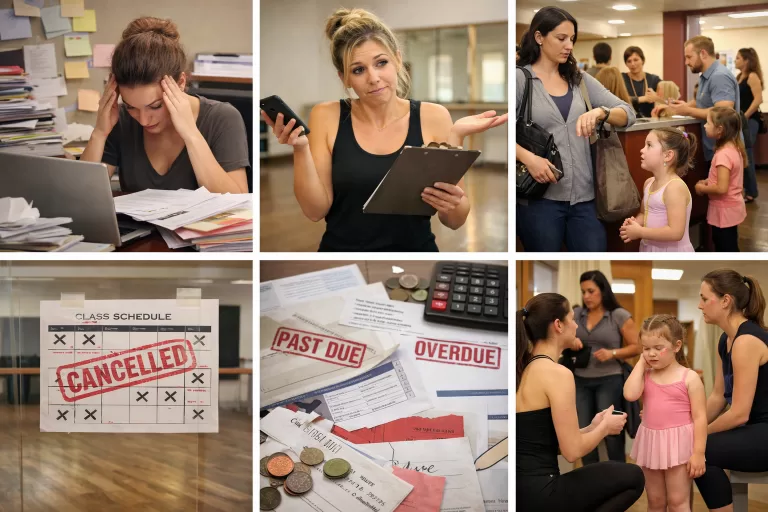
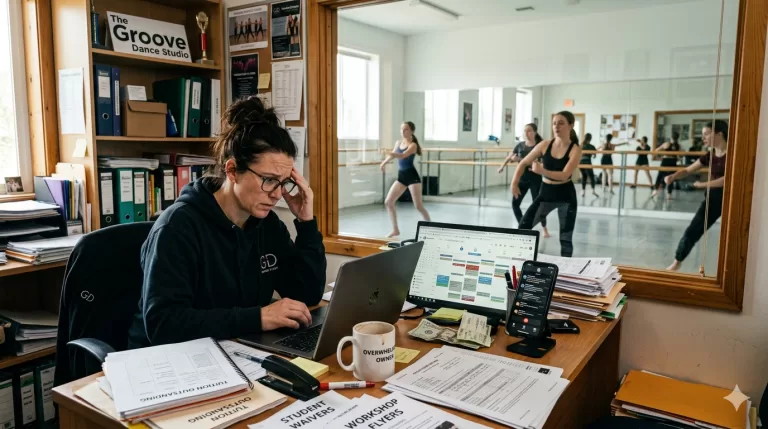
One major issue studios face is disorganized billing and unclear payment tracking.
As a result, parents may feel frustrated or confused.
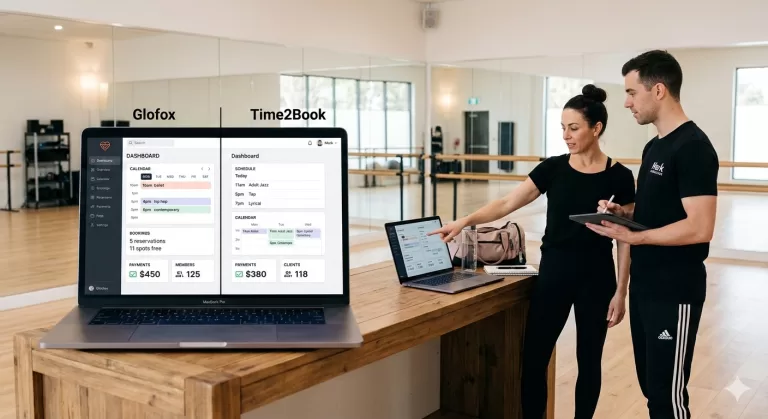
Some studios use systems like to manage tuition, track payments, and keep communication clear.
This helps create a more professional experience for both staff and families.
8. Review and Adjust Pricing Regularly
Pricing should not stay the same forever.
Instead, review it:
In many cases, small adjustments over time are better than sudden large increases.
Common Pricing Mistakes to Avoid
Avoiding these mistakes can help your studio grow more sustainably.
Pricing your classes correctly is not about being the cheapest option. It is about creating a balance between value, sustainability, and student experience.
When your pricing reflects the quality of your studio and is clearly communicated, you are more likely to attract committed students and build long-term success.
Frequently Asked Questions (FAQ)
-
-
-
-
Signs Your Dance Studio Needs Better Management Software
Signs Your Dance Studio Needs Better Management Software Most dance studios do not realize they have outgrown their current system until the same problems keep showing up: missed payments, messy schedules, parent questions, attendance gaps, and too many hours spent fixing admin details. Spreadsheets and basic calendars may work when your studio is small. But…
-
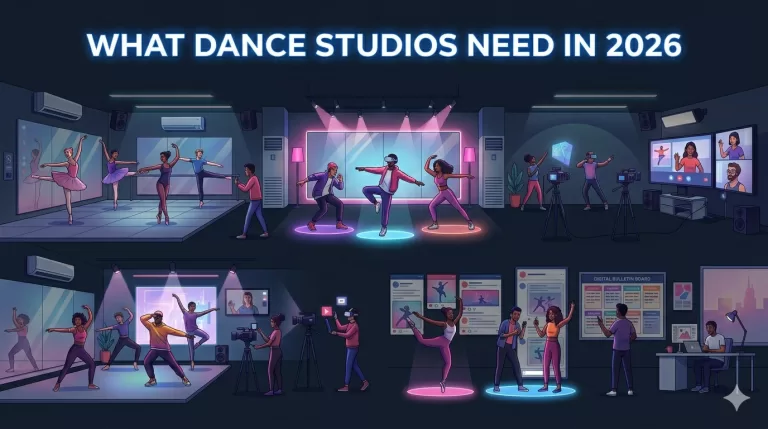
What Dance Studios Really Need in 2026
What Dance Studios Really Need in 2026 Dance studios in 2026 are operating in a very different environment compared to just a few years ago. It is no longer just about running classes and teaching choreography. Today's studios are dealing with higher parent expectations, faster communication demands, more complex schedules, increased competition, and growing administrative…
-
-
Dance Studio Scheduling Mistakes That Cost You Students (And Money)
Dance Studio Manager helps reduce scheduling guesswork by tying each class schedule to real studio data. Instead of placing classes based on instinct alone, studios can review assigned students, attendance status, instructor assignments, class capacity, and schedule-level details in one place. For a broader look at how the platform handles recurring class setup, calendars, and…
-
-
Moneris Payment Processing
Moneris Payment Processing for Dance Studio Manager A strong Canadian payment option for studios that want secure online billing, recurring payments, and reliable in-person collection. Moneris gives Dance Studio Manager customers a payments story that fits Canada especially well, combining online payments, payment devices, gateway and API tools, and fraud-focused support in a processor brand…
-
Paystri Payment Processing
Paystri Payment Processing for Dance Studio Manager Integrated payments built for studios that want secure online billing, recurring tuition, and a smoother parent payment experience. Paystri gives Dance Studio Manager customers a modern processor story centered on hosted payment forms, recurring billing, tokenization, payment devices, and strong customer support without making your team fight a…
-
-
-
-
-
-
-
-
-
-