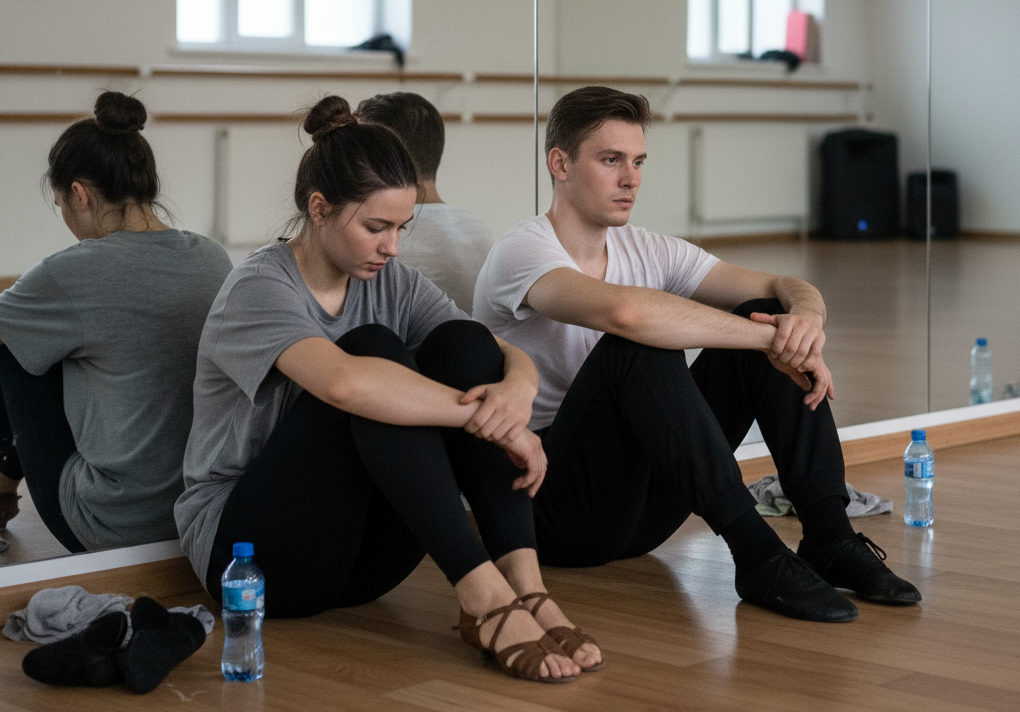
Injuries as a Norm: The Hidden Toll of Professional Ballroom Dancing
When audiences watch a ballroom performance, they often marvel at the fluidity, grace, and apparent ease of the dancers. Sequins sparkle, heels glide across polished floors, and every movement seems effortless. Few spectators realize that beneath this polished exterior lies a world defined by pain, endurance, and the constant risk of injury. For professional ballroom dancers, injuries are not exceptions—they are almost a rite of passage, a norm baked into the lifestyle of rigorous practice and relentless competition.
Professional dancers push their bodies to extremes. Hours of rehearsal each day, repeated drills, and high-intensity routines create conditions ripe for physical strain. Unlike mainstream athletes, dancers often do not have the luxury of medical teams, physiotherapists on standby, or structured recovery schedules. They rely on sheer willpower, ice, tape, and improvisation to keep performing, sometimes masking injuries until they reach critical stages.
This article explores the hidden reality of injuries in professional ballroom dancing, delving into the physical, emotional, and career impacts, as well as the coping mechanisms dancers develop to survive—and thrive—despite the risks.
The Physical Reality: How Injuries Happen
Ballroom dancing is physically demanding in ways that are both visible and invisible. Spins, lifts, jumps, and intricate footwork place immense stress on muscles, joints, and connective tissue. Unlike sports where contact is obvious, dance injuries often occur silently, developing gradually through repetition.
Sprained ankles are among the most common injuries. Dancers frequently pivot on the balls of their feet while wearing heeled shoes, and even a slight misstep can result in a ligament tear. Knees are another vulnerable area. The combination of sudden direction changes, twists, and deep bends can strain ligaments and cartilage.
Back injuries are also prevalent. Maintaining a perfect ballroom frame requires sustained tension in the spine and shoulders. Over time, this can lead to chronic pain, herniated discs, or muscle tears. Even minor soreness, if ignored, can escalate into serious injury that affects performance and career longevity.
Dancers also face injuries unique to lifts and partner work. Torn ligaments or strained arms can occur when a lift is mistimed or when a partner’s weight distribution is misaligned. These injuries may be acute and sudden, or slow-building from repeated stress.
The Emotional and Psychological Impact
The toll of constant injury extends beyond the physical. Chronic pain and repeated setbacks can lead to emotional strain, anxiety, and burnout. Dancers invest so much of their identity into performance that injury can trigger a profound sense of vulnerability.
Many dancers report frustration when their bodies fail them mid-routine. Self-doubt creeps in when they cannot execute a step as easily as before, or when persistent pain forces modifications to choreography. The fear of falling behind competitors adds psychological pressure, creating a feedback loop of stress and injury that can be difficult to break.
Injury also affects partnerships. In ballroom dancing, one partner’s limitations directly impact the other. A sprained ankle or torn ligament can force a partner to adjust timing, lifts, or footwork. Communication, trust, and emotional resilience become crucial in navigating these challenges.
Coping Mechanisms and Recovery
Despite these challenges, professional dancers develop strategies to manage injuries while maintaining performance quality. One key approach is prevention: strength training, stretching, and cross-training help build resilience in joints and muscles. Warm-up routines before rehearsals are essential, and cool-downs help prevent micro-injuries from accumulating over time.
Another strategy is adaptation. Dancers often modify choreography subtly to reduce stress on injured areas, without compromising artistic integrity. For example, a pivot might be executed differently, or a lift shared differently between partners to distribute weight more safely.
Mental strategies are equally important. Visualization allows dancers to rehearse routines without physical strain, reinforcing muscle memory while giving their bodies a chance to recover. Mindfulness techniques help manage pain perception and reduce the emotional toll of chronic injury.
Historical Context: Dance and Physical Strain
The culture of pushing through injury is not new. Ballroom dancing, particularly in Europe, has long demanded rigorous practice schedules. In the early 20th century, competitive dance was formalized with scoring systems that prioritized precision, elegance, and synchronization. Injuries were accepted as part of the path to mastery.
Unlike modern professional athletes, dancers historically did not have structured medical support. Recovery was often home-based, relying on rest, cold treatments, and self-discipline. This tradition of endurance persists in contemporary dance culture, reinforced by expectations of coaches, judges, and peers.
Injuries and Career Longevity
The prevalence of injuries shapes not only daily life but also long-term career trajectories. Many dancers retire earlier than athletes in other fields, not due to a lack of talent but because their bodies can no longer sustain the demands of continuous performance. Chronic conditions—arthritic joints, recurring sprains, and back problems—often dictate the timing of retirement more than choice.
Some dancers transition to teaching, choreography, or coaching as a way to remain in the field without subjecting themselves to the same physical extremes. Others continue performing, balancing pain management strategies with careful selection of routines and competitions.
Lessons for the Audience
Watching a flawless ballroom performance is mesmerizing, but understanding the toll behind the scenes adds depth to appreciation. The sweat, injury, and determination hidden beneath sequins and smiles underscore the dedication required to reach the top.
Injuries in dance are not failures—they are markers of the discipline, resilience, and grit needed to sustain a career in this demanding art form. Recognizing this reality challenges audiences to see beyond beauty and elegance, acknowledging the human effort that makes artistry possible.
-
-
-
-
Signs Your Dance Studio Needs Better Management Software
Signs Your Dance Studio Needs Better Management Software Most dance studios do not realize they have outgrown their current system until the same problems keep showing up: missed payments, messy schedules, parent questions, attendance gaps, and too many hours spent fixing admin details. Spreadsheets and basic calendars may work when your studio is small. But…
-
What Dance Studios Really Need in 2026
What Dance Studios Really Need in 2026 Dance studios in 2026 are operating in a very different environment compared to just a few years ago. It is no longer just about running classes and teaching choreography. Today's studios are dealing with higher parent expectations, faster communication demands, more complex schedules, increased competition, and growing administrative…
-
-
Dance Studio Scheduling Mistakes That Cost You Students (And Money)
Dance Studio Manager helps reduce scheduling guesswork by tying each class schedule to real studio data. Instead of placing classes based on instinct alone, studios can review assigned students, attendance status, instructor assignments, class capacity, and schedule-level details in one place. For a broader look at how the platform handles recurring class setup, calendars, and…
-
-
Moneris Payment Processing
Moneris Payment Processing for Dance Studio Manager A strong Canadian payment option for studios that want secure online billing, recurring payments, and reliable in-person collection. Moneris gives Dance Studio Manager customers a payments story that fits Canada especially well, combining online payments, payment devices, gateway and API tools, and fraud-focused support in a processor brand…
-
Paystri Payment Processing
Paystri Payment Processing for Dance Studio Manager Integrated payments built for studios that want secure online billing, recurring tuition, and a smoother parent payment experience. Paystri gives Dance Studio Manager customers a modern processor story centered on hosted payment forms, recurring billing, tokenization, payment devices, and strong customer support without making your team fight a…
-
-


