Are Dance Studios Focusing on too Many Competitions?
Dance competitions have become a major part of studio culture. For many dancers, they offer exciting opportunities to perform, improve, and gain recognition.
But in recent years, more parents and students have started asking the same question:
Are dance studios focusing too much on competitions?
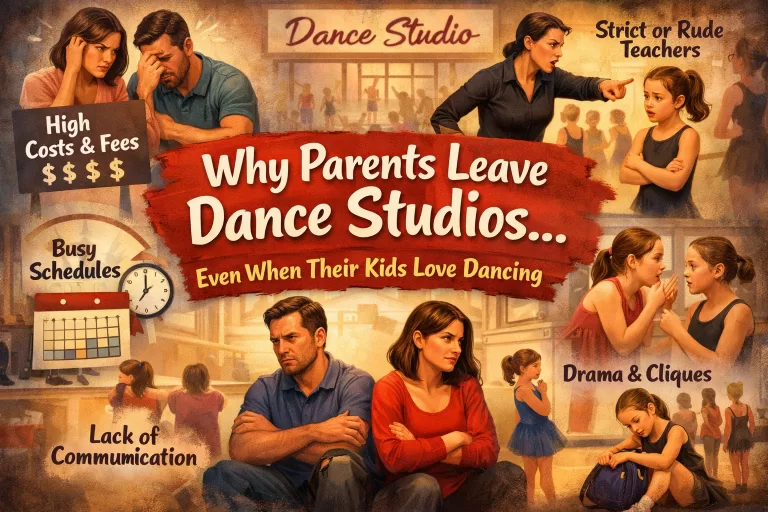
As competition schedules grow and expectations increase, some dancers are beginning to feel overwhelmed—and even lose their love for dance.
The Rise of Competition-Focused Studios
Many studios now center their programs around competitions. This often includes:
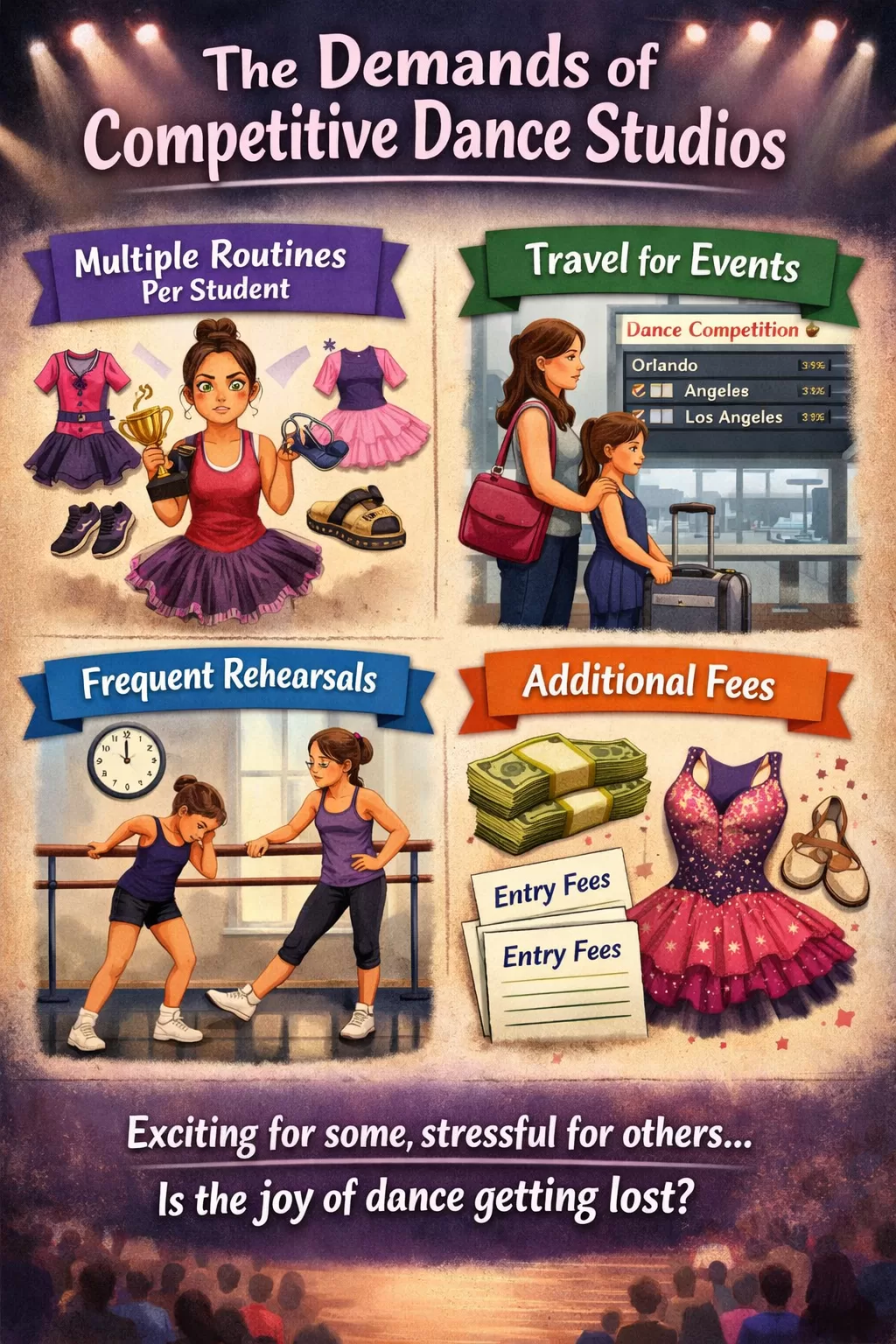
While competitions can be valuable, they are no longer just an “extra”—they have become the main focus in some studios.
The Concerns Parents and Dancers Are Raising
1. Too Many Routines, Not Enough Training
Instead of building strong fundamentals, the focus shifts to performance output.
2. Rising Costs
When dancers are placed in multiple routines, costs can quickly become overwhelming.
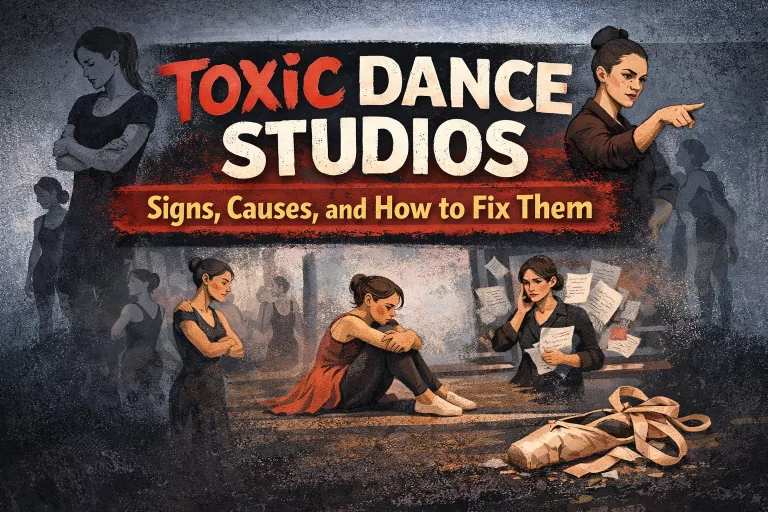
3. Burnout and Fatigue
Over time, this can lead to burnout—and even cause students to quit.
4. Pressure to Win
This creates pressure that can take away from the joy of dancing.
Instead of expressing themselves, dancers may feel they are constantly being judged.
5. Less Time for Enjoyment
And when dance stops being fun, motivation naturally drops.
Are Competitions Bad for Dance Students?
– Not at all.
Competitions can:
The issue is not competitions themselves—it’s how much they dominate the studio experience.
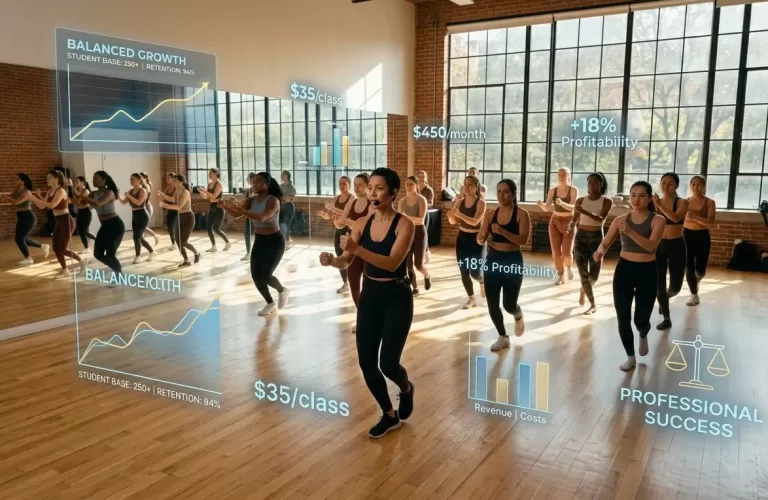
Finding the Right Balance
Studios can still offer competitions while creating a healthier experience.
1. Prioritize Technique Classes
2. Limit the Number of Routines
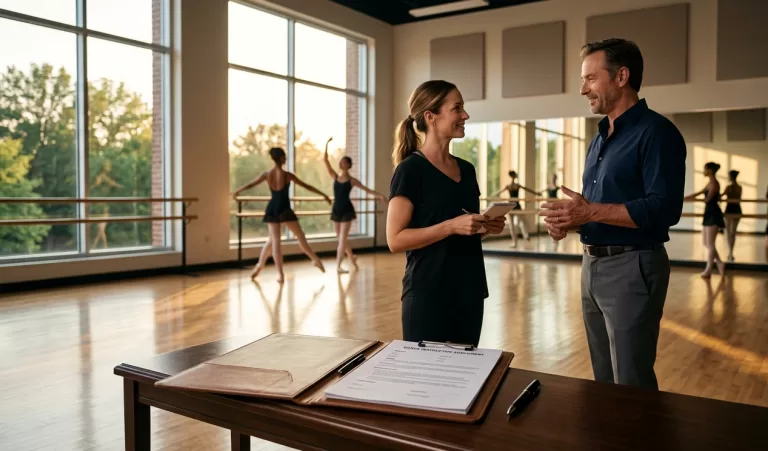
3. Be Transparent About Costs
Parents should clearly understand:
This builds trust and avoids surprises.
4. Focus on Growth, Not Just Winning
This creates a more positive and supportive environment.
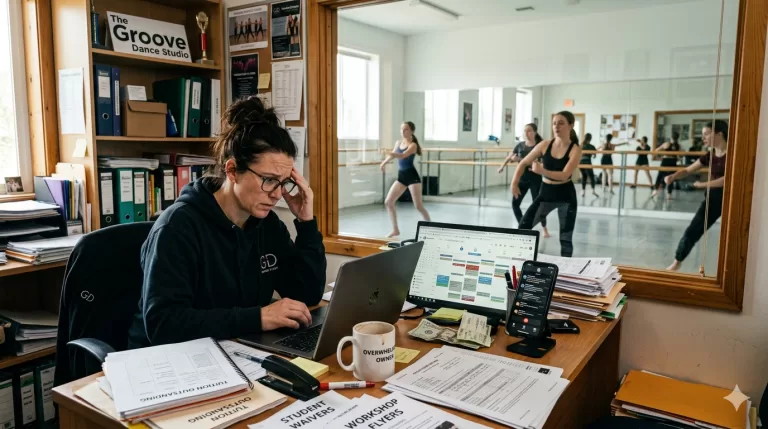
5. Keep Studio Operations Organized
Some studios use platforms like Dance Studio Manager to manage schedules, communication, and student programs in one place.
Why This Matters
When studios focus too heavily on competitions, they risk:
- losing students
- increasing burnout
- creating negative experiences
But when balance is maintained, dancers are more likely to:
- stay longer
- enjoy the process
- grow both technically and emotionally
Competitions will always be an exciting part of dance. However, they should support a dancer’s journey—not define it completely.
By finding the right balance between training, performance, and enjoyment, studios can create an environment where dancers thrive—not just compete.
Frequently Asked Questions (FAQ)
-
Jackrabbit Dance vs Akada: Dance Studio Software Comparison
Many dance studio owners compare Jackrabbit Dance vs Akada when they want software built for class registration, tuition, scheduling, staff workflows, and recital season. Both platforms can reduce manual office work. But the better question is which system will feel manageable for your staff, clear for your families, and practical for the way your studio…
-
CardConnect Payment Processing
CardConnect / Clover payment processing for DSM Point-of-sale support for studios that still take payments in person. CardConnect is closely tied to the Clover payments ecosystem. Inside Dance Studio Manager, the value is practical: terminals, tap and chip workflows, front-desk checkout, and payment records that still make sense inside your studio software. Ask DSM About…
-
-
-
-
Signs Your Dance Studio Needs Better Management Software
Signs Your Dance Studio Needs Better Management Software Most dance studios do not realize they have outgrown their current system until the same problems keep showing up: missed payments, messy schedules, parent questions, attendance gaps, and too many hours spent fixing admin details. Spreadsheets and basic calendars may work when your studio is small. But…
-
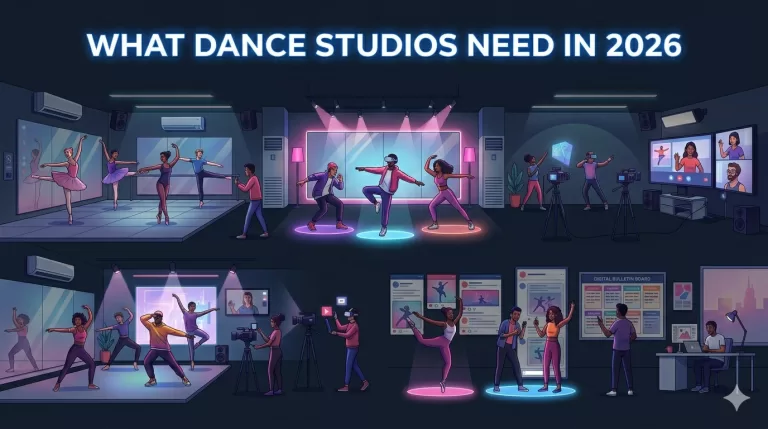
What Dance Studios Really Need in 2026
What Dance Studios Really Need in 2026 Dance studios in 2026 are operating in a very different environment compared to just a few years ago. It is no longer just about running classes and teaching choreography. Today's studios are dealing with higher parent expectations, faster communication demands, more complex schedules, increased competition, and growing administrative…
-
-
Dance Studio Scheduling Mistakes That Cost You Students (And Money)
Dance Studio Manager helps reduce scheduling guesswork by tying each class schedule to real studio data. Instead of placing classes based on instinct alone, studios can review assigned students, attendance status, instructor assignments, class capacity, and schedule-level details in one place. For a broader look at how the platform handles recurring class setup, calendars, and…
-
-
Moneris Payment Processing
Moneris Payment Processing for Dance Studio Manager A strong Canadian payment option for studios that want secure online billing, recurring payments, and reliable in-person collection. Moneris gives Dance Studio Manager customers a payments story that fits Canada especially well, combining online payments, payment devices, gateway and API tools, and fraud-focused support in a processor brand…
-
Paystri Payment Processing
Paystri Payment Processing for Dance Studio Manager Integrated payments built for studios that want secure online billing, recurring tuition, and a smoother parent payment experience. Paystri gives Dance Studio Manager customers a modern processor story centered on hosted payment forms, recurring billing, tokenization, payment devices, and strong customer support without making your team fight a…
-
-
-
-
-
-
-
-